Gliding through Venice. Ferragosto ’26

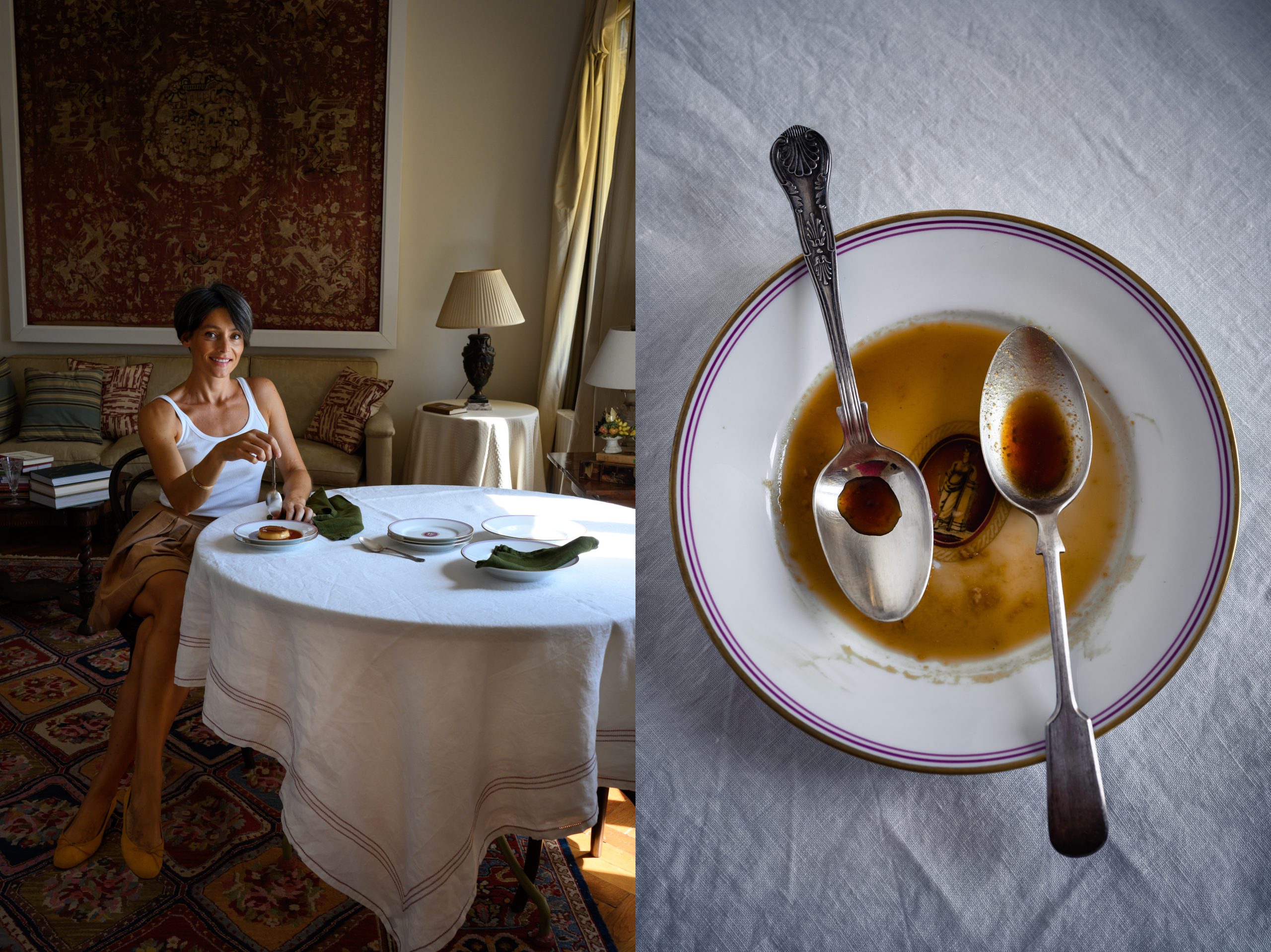 Vanilla Crème Caramel
It may have been the sun that woke me up, but I think it was the silence.
My ears have got used to the early morning motorboat rattle along the Giudecca Canal and the leaping water – music to my ears, against our bedroom walls.
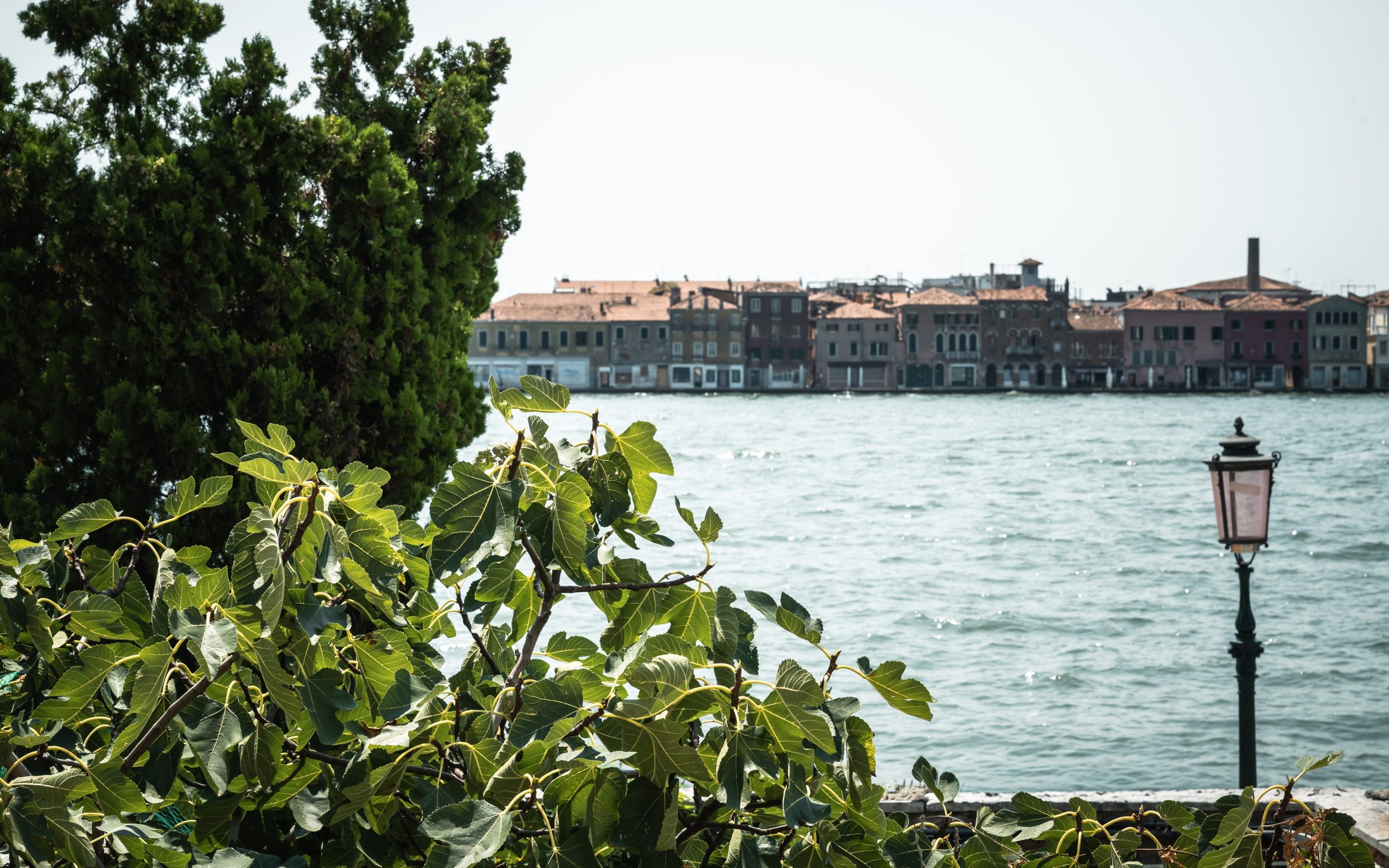
I can’t even sense the birds – ’i merli’, helping themselves to the ripening figs on our fig tree, there is no sound of the shimmer of fig leaves, there is no movement on the branches, and no wind or morning breeze passing through. Have the birds also gone away for ’Ferragosto’? Of course not, it’s our tree that is shedding the last of the season’s figs. Right now there may not be even be one left.
Is there any city traffic noise left? Except for the lapping water, nothing indeed. But to be able to hear that susurrus you may best to be awake and listen intently.
Thus, little by little, you open your eyes, to see what is the matter. Nothing really, all is well, left intact from the previous day and the day before. The golden warm morning sun vividly waking up the waterfront of the Giudecca Island that our drawing room windows look out directly onto, is of no change either. The water in the canal is high and moving gently. A little vaporetto occasionally passes by. They are all headed to Lido. Pretty empty when it’s still early, although they fill up anon. Any Lido beach is the place to be at the moment, it’s the pick of summer after all.
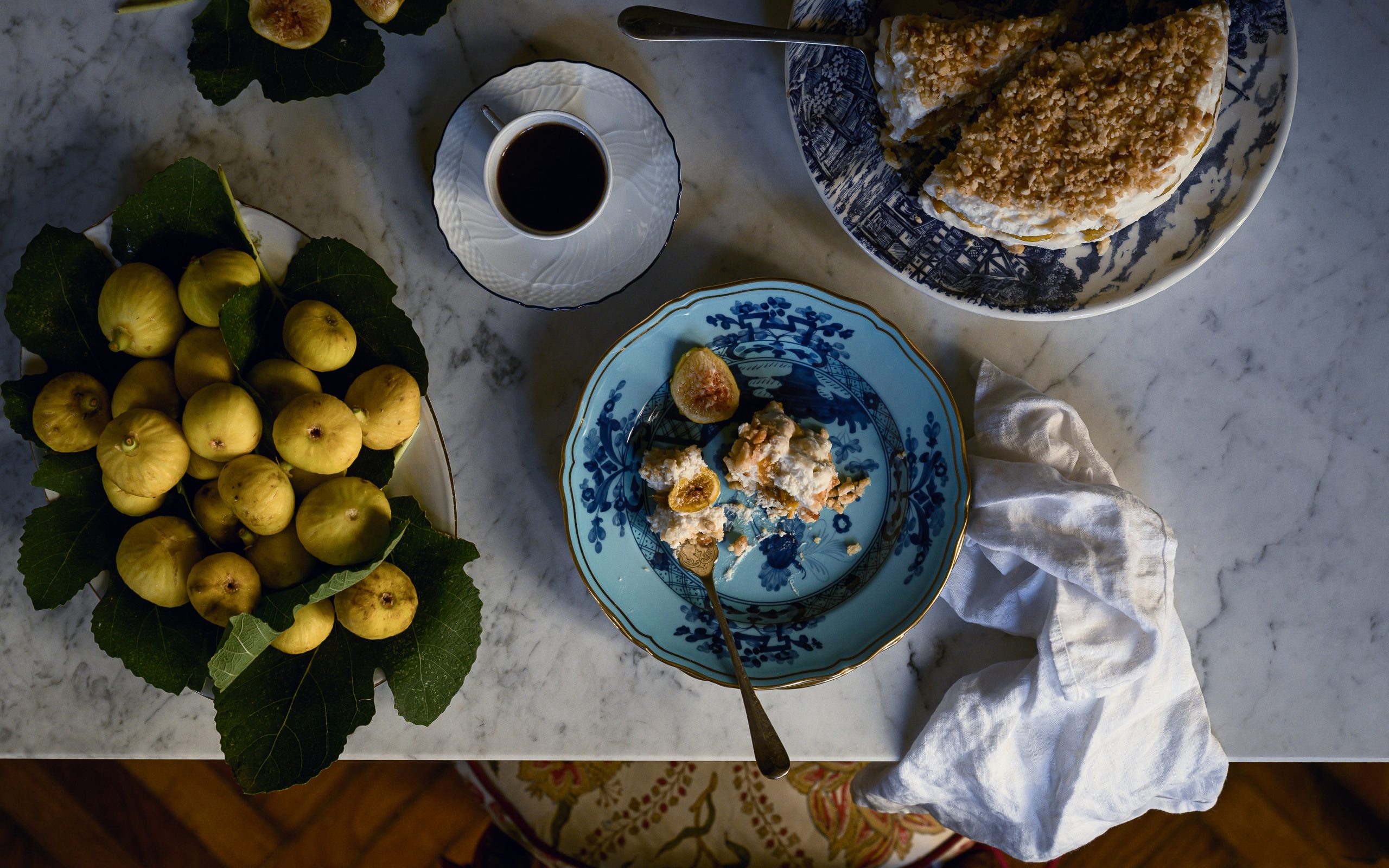 Fig and Whipped Ricotta Tart
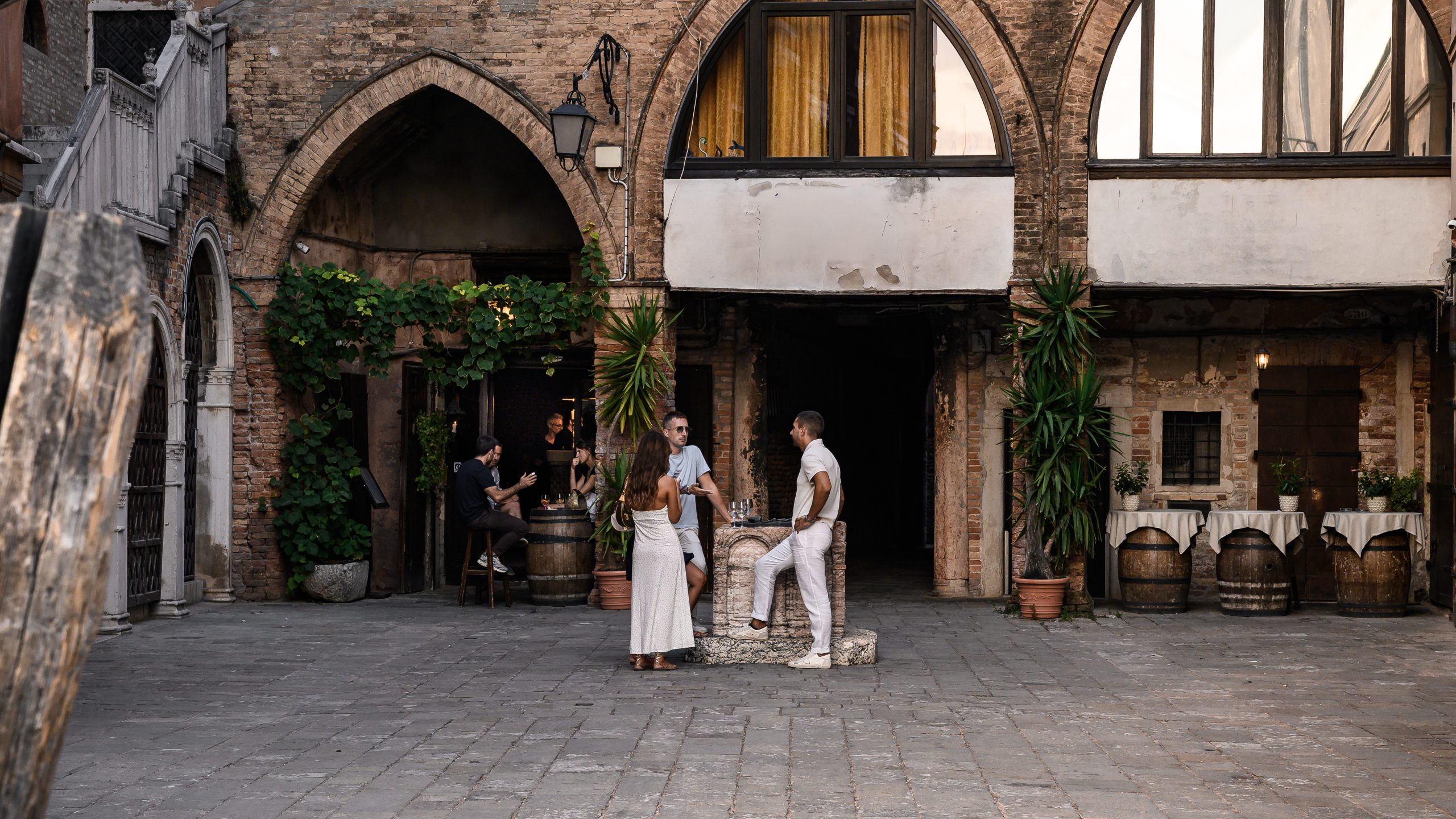
Venice has emptied out. Strange statement to make about the city that struggles with over tourism, but it all depends in which sestiere you live and what your daily life looks like.
’Chiuso per ferie’ – Closed for holidays, a note hanging almost invisibly on closed doors to many premises, is what you stumble upon in August, and particularly around the day of the 15th of August – the day of Ferragosto, an official bank holiday in Italy.
’Chiuso per ferie’ period usually stretches out to up to ten days, but in some cases it can last a month. Or the opening hours can change, like of the barge selling fruit and vegetables at Campo San Barnaba, during the month of August it’s open until 13.30, otherwise it serves the locals until early evening hours. Quite important to know for someone like myself, sometimes only coming up with greedy ideas what to cook for dinner at lunch time – a bit late for the Rialto Market by then. Having said that, I still get caught up occasionally and rush through the city for supplies, like last Saturday, the15 the of August.
Ferragosto, a happy combination of ’ferie’ (holidays) and ’agosto’ (August), the national holiday of the Roman origin. The national holiday that simply means: summer vacation time. Everyone is on the move, either by train, plane and most often by car. It’s the time for most of Italians to spend a ’spensierato’ (carefree) beach time with friends and relatives. Hence, August is the month in which most of the Italians travel, transforming their cities into ghost towns. They instead can be found on a beach having a rest, and hopefully a wonderful and well deserved summer break.
Things have changed over the years, however. More and more places: shops and eateries remain open over this period. Meaning, that the tourists will have still plenty to choose from, but the locals themselves change their habits and stay put at home, enjoying a much calmer atmosphere in otherwise chaos filled busy Italian cities.
We’ve also deiced to stay in Venice for the summer, apart from short trips to London, Tuscan coast to cool down as it’s been an unbelievably hot summer, or to our family home in Poland. We’ve adapted our routine slightly to this month’s peculiarities, most of ’our’ pasticcerie are closed, but then, maybe it’s a good thing to take a break from the beyond delicious ’cornetti’, at least it’s how I like to tell myself whilst waiting patiently for the rhythm of Venice to revert back to normal.
 Tomato and Aubergine Tartlets
For the past a few weeks it’s felt like we’ve been gliding through Venice, quietly and unnoticed.
As for the whole of summer, running errands and grocery shopping routine prefers the early bird morning and slower pace. Aperitivo on the other hand favours much later hours, when the temperatures drop slightly, the humidity not necessarily. It is all a part of the adaptation to a new city and its life.
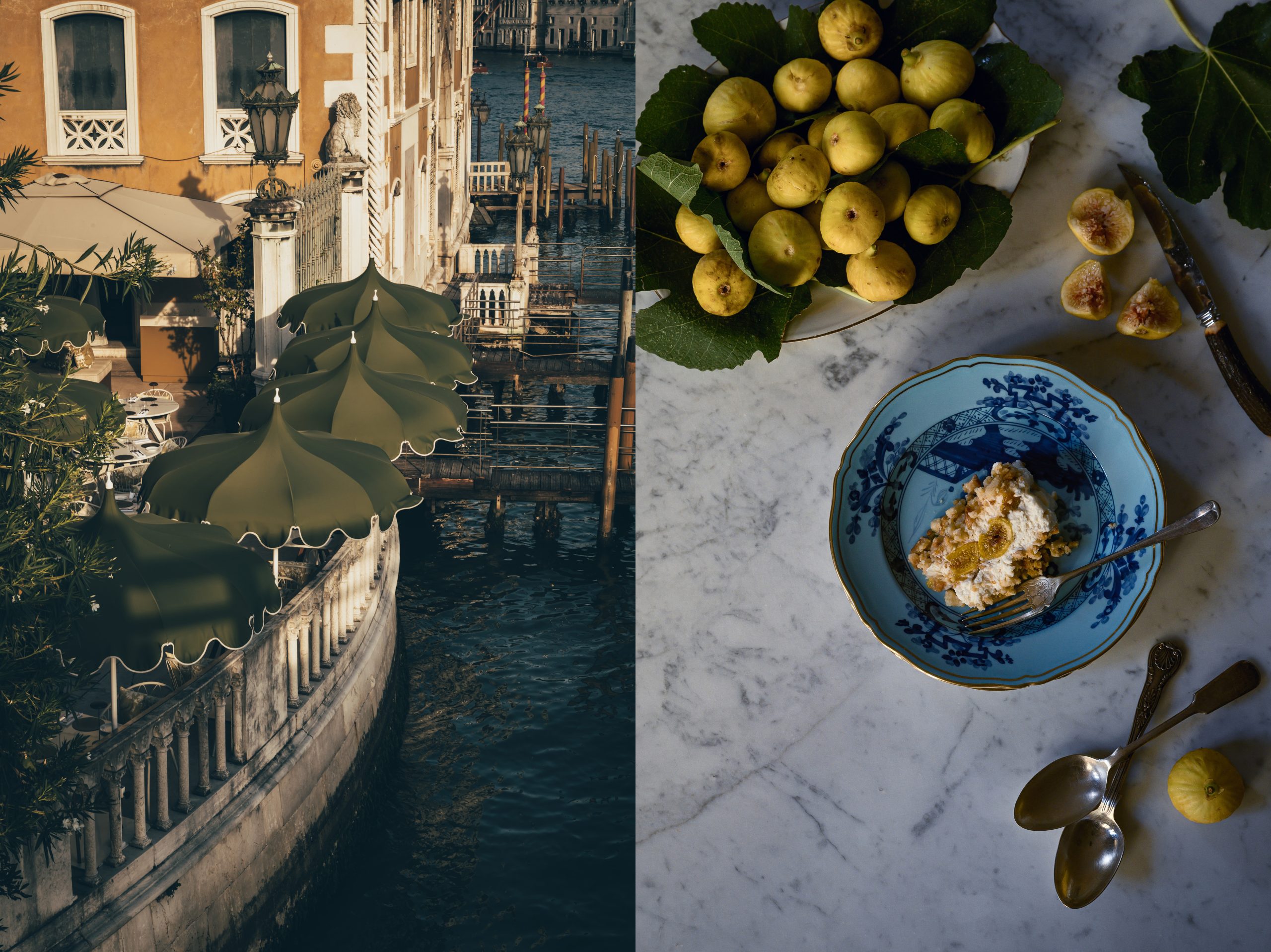
On the day of Ferragosto we took a vaporetto from the stop by the Academia Bridge and glided to the nearest stop to the newly open Orient Express hotel in Cannaregio. Beautifully and tastefully restored, a new addition to ever so fancier hotel scene in the floating city, we, local mortals took a humble vaporetto, not a water taxi. It’s us and we like it that way. A long silk dress on the deck of a Venetian public transport doesn’t surprise anyone. But the boats can be very busy (even when it’s late), in fact ’packed ’would be the word to use for a more accurate description; so beware in case you visit the city during hot summer months, when you dress up elegantly and wish to arrive to your splendid destination intact. Taking that little practical advise aside, the cocktails were superb.
I had a couple of truly delectable and well chilled bellinies and the Dégustauer had the Lagoon Negronis, where all the bitters, vermouth and quite a few other fancy ingredients are produced and sourced locally. The drinks were utterly enjoyable and extremely well balanced, as proper cocktails should be, all in a peaceful elegant Italian garden setting, an oasis in the midsts of the buzzy sestiere of Cannaregio. A place we had been meaning to go to since before its opening, and we finally made it. And we will gladly go back.
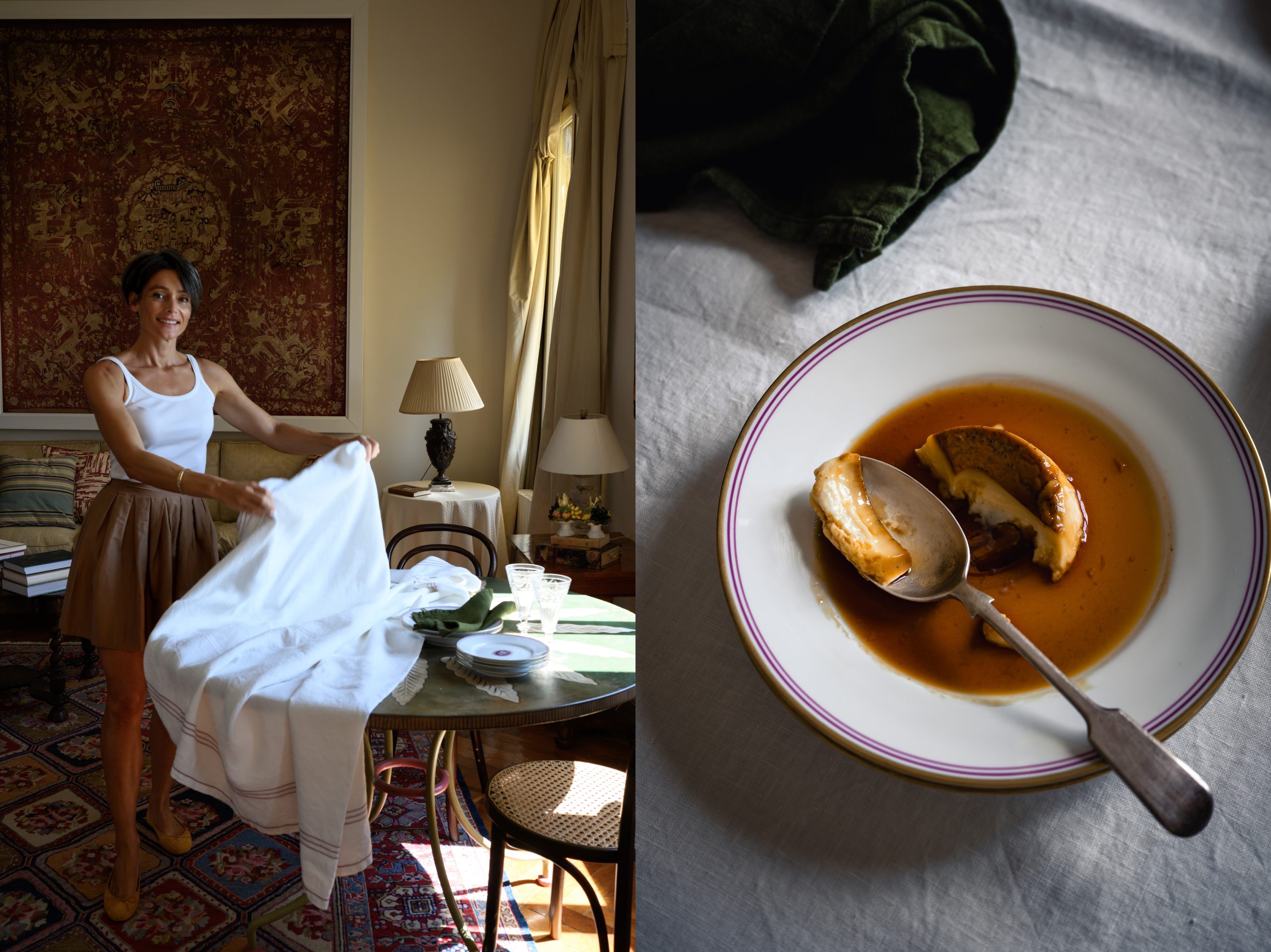
Until kinder temperatures resume and as a part of our adaptation to the Venetian summer and a new house, I’ve arranged a dining table setting on our upper floor, above the designated dining ’Fortuny’ room; a steep flight of stairs up to the main living room, from which we can enjoy the nicest views from all of our windows, and where the air con unit is. A sort of a summertime movable feast, brought upstairs on trays (the kitchen, dining room, all cooking and dining equipment are on the ground floor), literally everything. Apart from the wine, a good few bottles we have just brought from Tuscany as our enoteca in Venice is closed for a month. I ’store’ the red wine in the rooms where we have a chance to bring the temperature down, which means the living room and the bedrooms. We’ve had so many red wines kept at home ruined over the years since we moved to Italy by the extreme summer heat, especially during the periods when we were away, and admittedly, the air con units were switched off. Lesson learnt.
I potter in the kitchen during the earlier hours of the day now, before the temperatures and the evening humidity permeate the kitchen. Of course, as much as possible, not everything can be prepared in advance. We want to eat well and we adapt to the heat, but our bodies after a week or so of light food crave a better nutrition. Food is an important part of our lives, we celebrate the dinners at home, either very simple ones and the ones that require a bit more effort to prepare.
I keep on experimenting and trying out new recipes, either inspired from the cookbooks I own or just creating something of my own.
There is this lean and thinly sliced, marinated in mustard pork dish for example, that I’ve just conjured up. Utterly delicious and tender. I paired it with spiced plums baked in red wine, which I had left from when I baked us duck legs. These dishes perhaps don’t sing of summer so I’ll share them in the fall, which immediately feels more appropriate.
 Grated Bottarga and Bean Salad
 Bean, Egg and Celery Salad
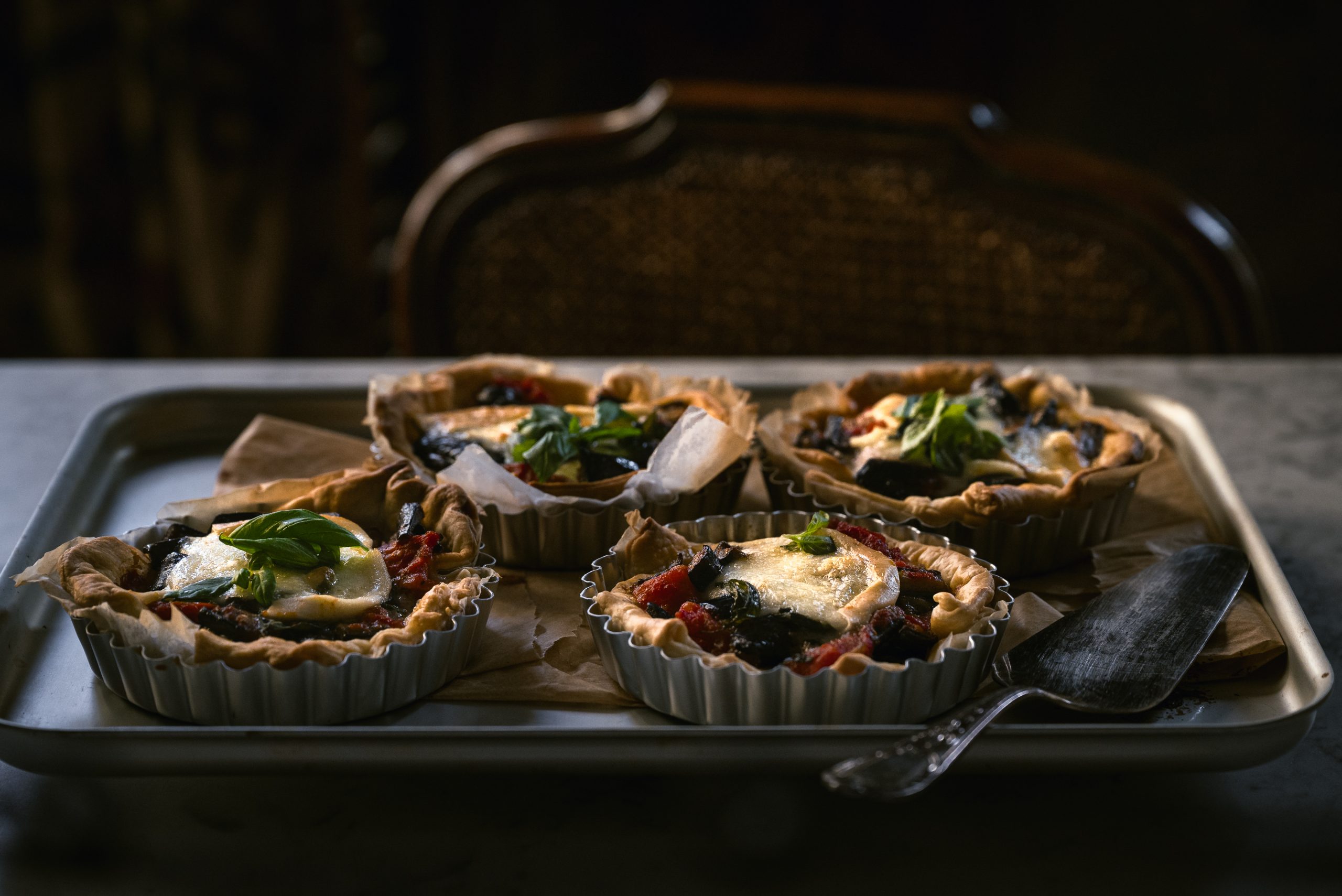
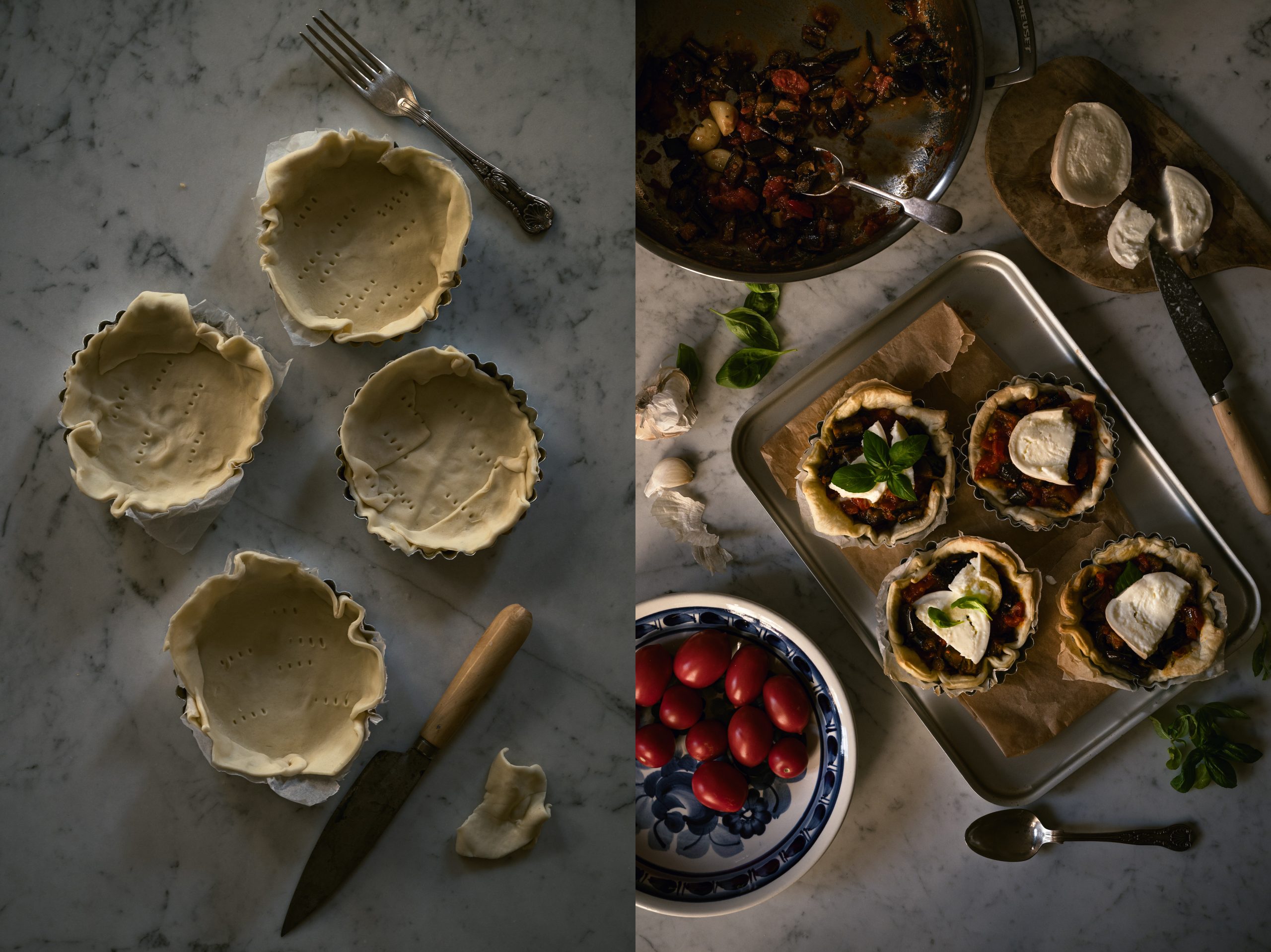
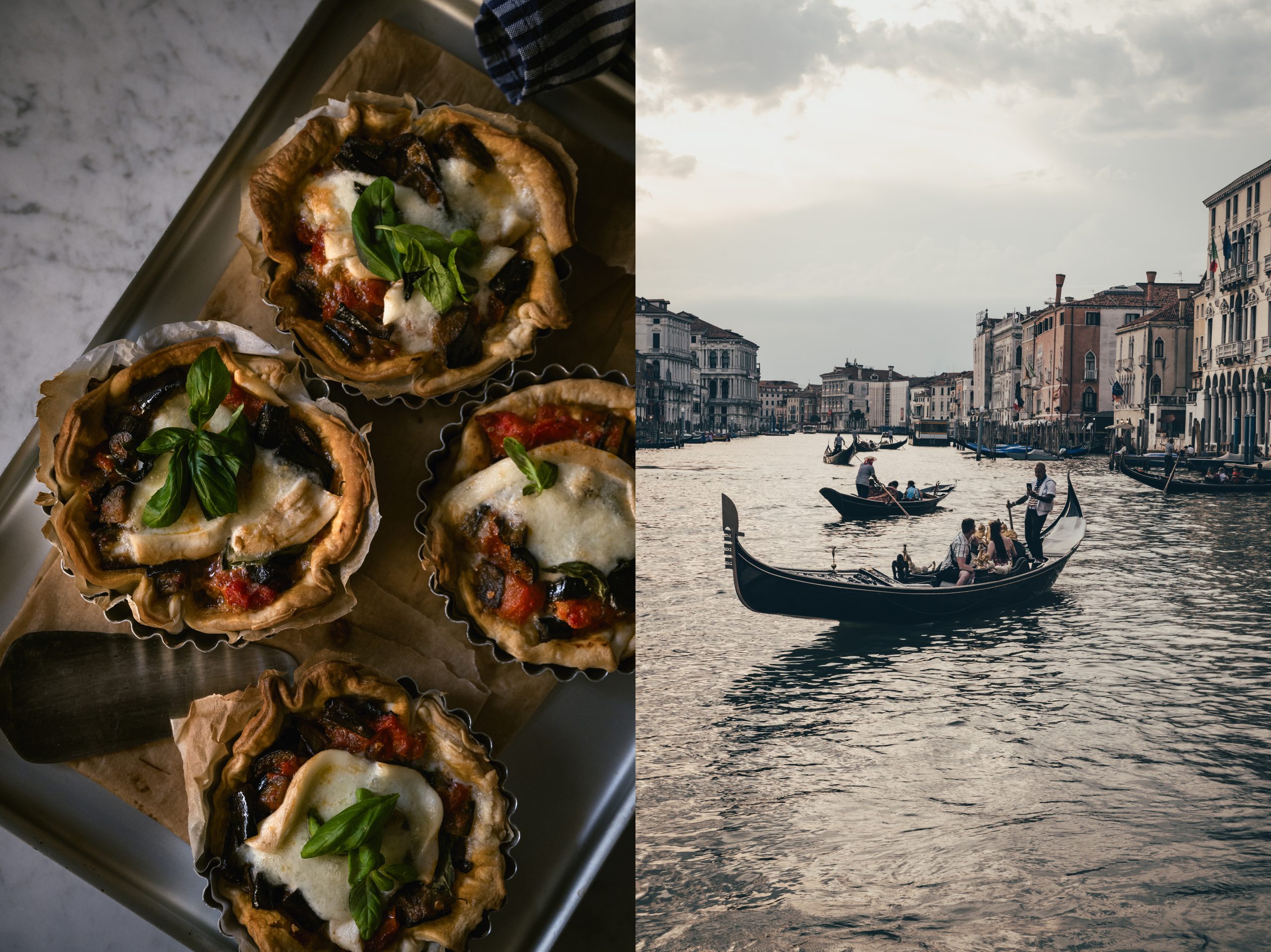
Summery and lighter dishes on the other hand that I’ve cooked us recently are: ’Tartine con Melanzane a Funghetto e Mozzarella’ – Aubergine in a Tomato Sauce and Mozzarella Puff Pastry Tartlets.
I can’t remember exactly how long for and why I haven’t been baking tartlets, or any savoury tarts broadly speaking. I guess there has been so much else to cook on my mind , and on a day to day basis there is just the two of us to eat it all, meaning that I have to control my ideas in the kitchen. I bought small elongated aubergines grown on the island of Sant Erasmo, the orchard of Venice. I cubed them and grilled them in the oven. Technically, the diced or cubed aubergines should be deep fried (previously left sprinkled with salt to get rid off the extra moisture before frying) and then stirred into the fresh tomato sauce. I decided to grill them instead; I jut couldn’t face the deep frying process in the already warm kitchen. So I tossed the chopped aubergines in olive oil and let the oven to do most of the job, no seasoning at this stage and no need for the ’salt process’. Even better and definitely easier. Next, I mixed the grilled aubergine pieces into the fresh tomato, garlic and basil sauce that had been gently bubbling away on the stove. I seasoned it with some salt and reduced the sauce to the desirable consistency (on a thicker side), always keeping the pan on a moderate heat. Next I filled the cavities of the pre-baked pastry shells with the sauce, laid more fresh basil leaves on top and covered the tartlets with fresh smoked provola cheese. Smoked or plain mozzarella di buffala are perfect to use as well. The end result? Crunchy golden pastry with a delightful filling evoking southern Italy. What else could one possibly want on a summer night? One sheet of pastry made us four tartlets, we ate them all at once, with grilled Roman artichokes on the side and a bottle of wine to accompany the meal, making the evening special.
Beans are very understated in many countries; in Italy, especially in Tuscany, they are elevated to the hero of a dish. Very good for you too, especially when you can buy them fresh, otherwise buy them dry, soak overnight in cold water and simmer gently until tender but holding to their shape.
At the Rialto Market I purchase dry beans in small plastic bags from my favourite vendor.
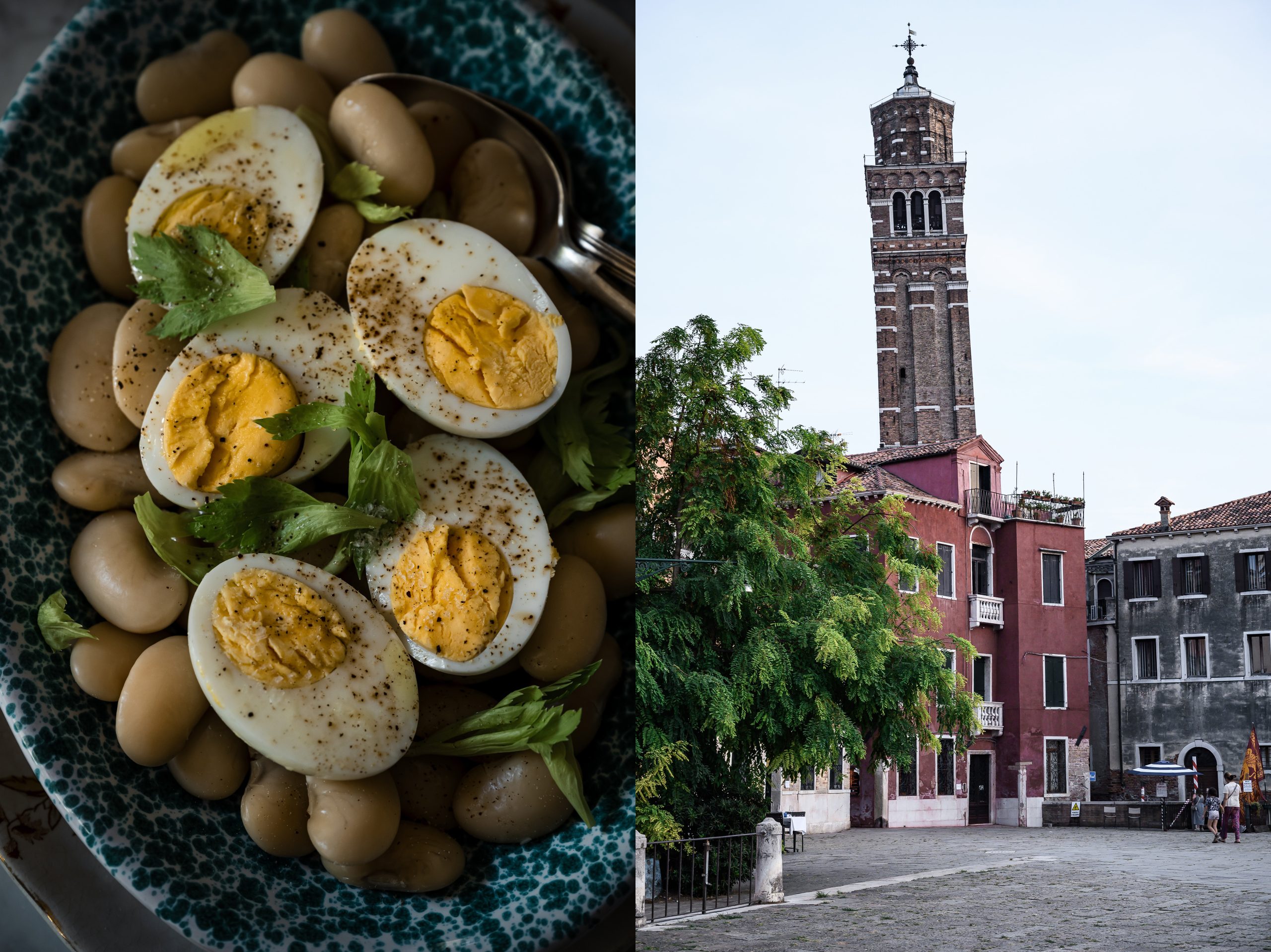
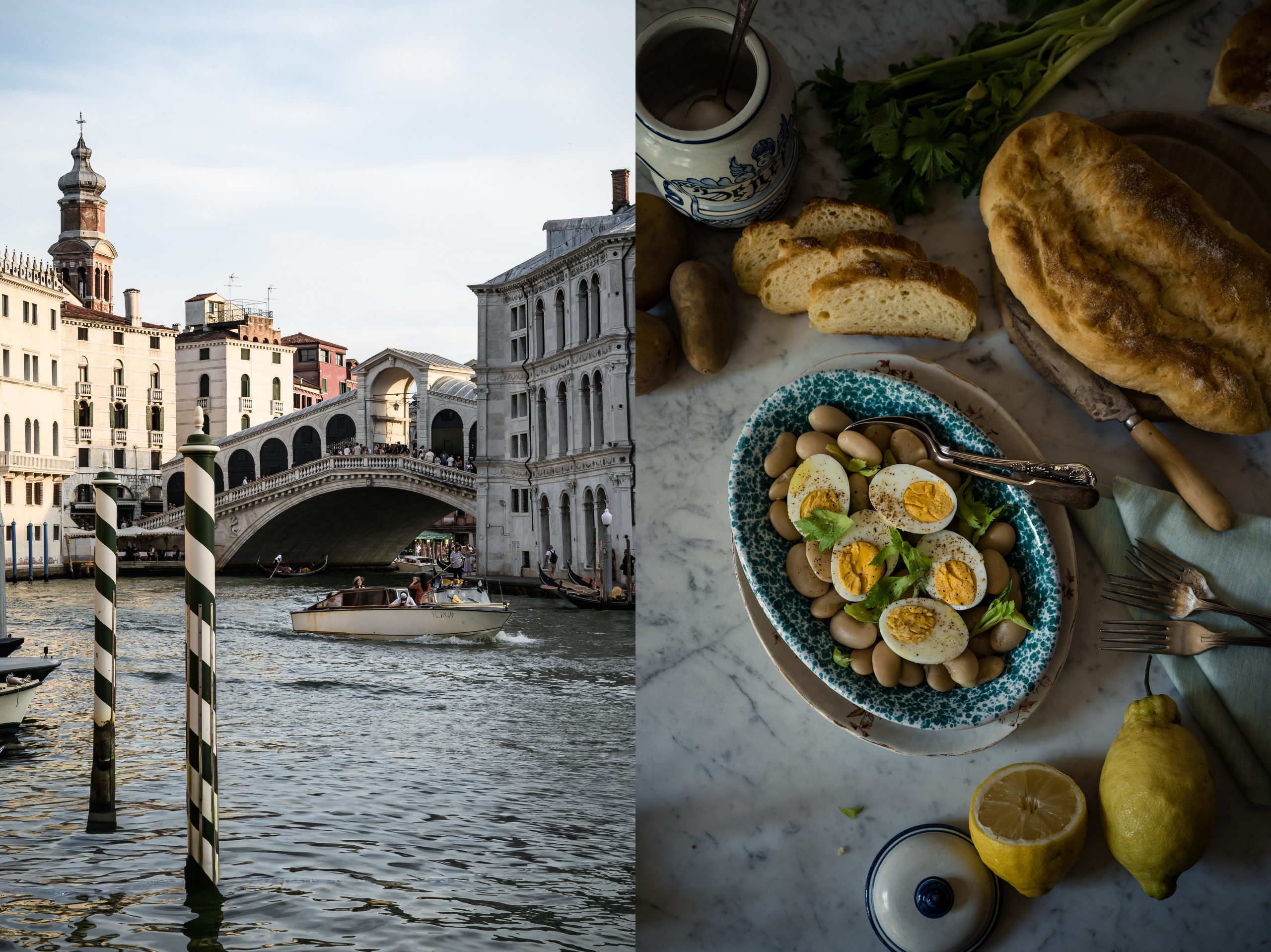
One of them is Corona variety, light cream in colour and large in size. I simmered the beans gently and adjusted the seasoning towards the very end of the cooking process, following exactly the same method as I cook any kind of beans. Whilst still warm, I arranged the drained beans on a serving plate along with cut in half boiled eggs. I selected the most delicate light green celery stick and sliced it thinly. Added it along with its leaves into my very simple but so good for you salad. The seasoning is straightforward, lots of good olive oil, salt, pepper and some lemon juice, or vinegar if you prefer (the recipe)
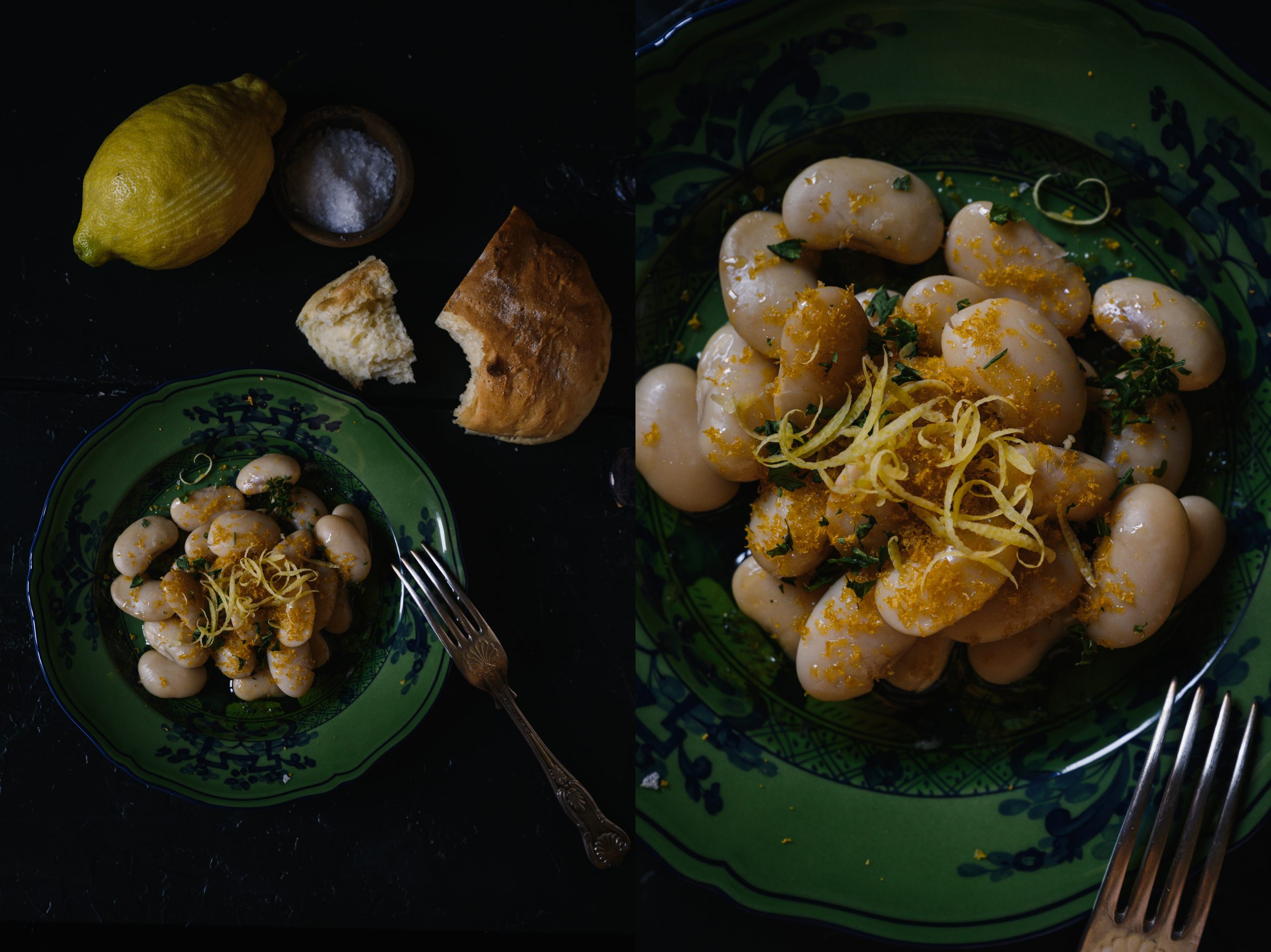
On the following day, to spice things up a little, the same beans made the base of a more grown up salad. They were served covered with grated bottarga and lemon zest. Something that I learned during the time when we lived in Florence.
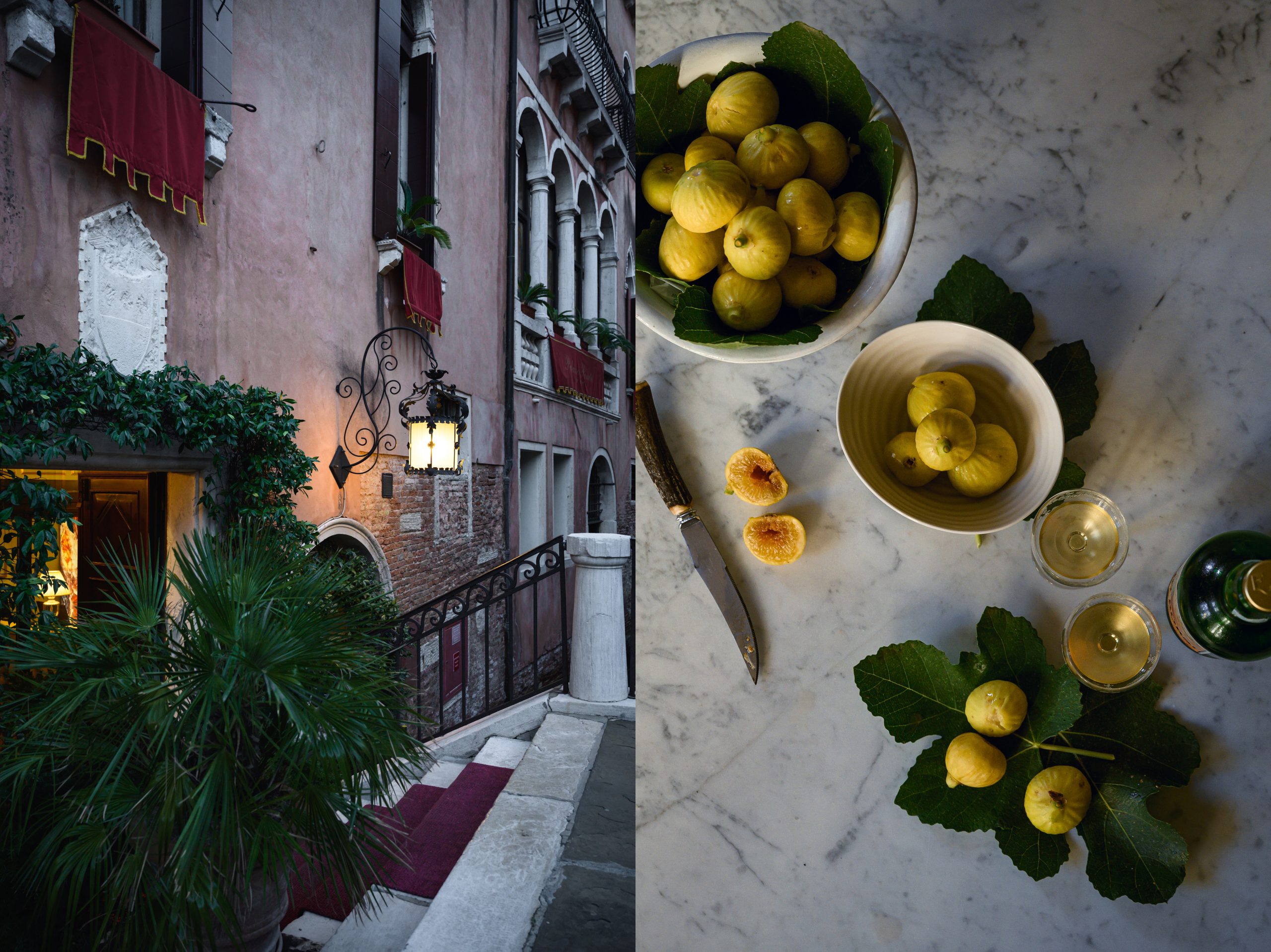
Right before the figs disappeared from our tree I collected almost all of them at once, the ones I could reach, and there were a lot of them. So we had the figs for breakfast with plain yogurt (instead of honey), with salty hams and crunchy bread or with feta cheese for lunch. Or just plain instead of pudding to round us off at dinner.
Then, I remembered about the Whipped Ricotta and Fig Tart which I had shared on the blog soon after I started writing it. And so, last Sunday morning I simply made it again, but with a much thicker layer of figs laid snuggly between lightly sweetened soft ricotta folded into whipped to soft peaks cream; all encased in buttery crumbled biscuits – on the bottom and on top. I tweaked the recipe a little, I spiced the figs with a splash of Armagnac, reduced the amount of added sugar as the figs were sweet beyond belief and very juicy. The released caramelised fig and Armagnac juices got stirred into the creamy ricotta spread, it almost felt a shame to waist them.
Once the cake is assembled in a tall cake tin and left in the fridge to cool, it sets very well. Find the first version of this cake here or the most recent one here – for the times when the figs are ripening all at once and they are very sweet, juicy and plentiful.
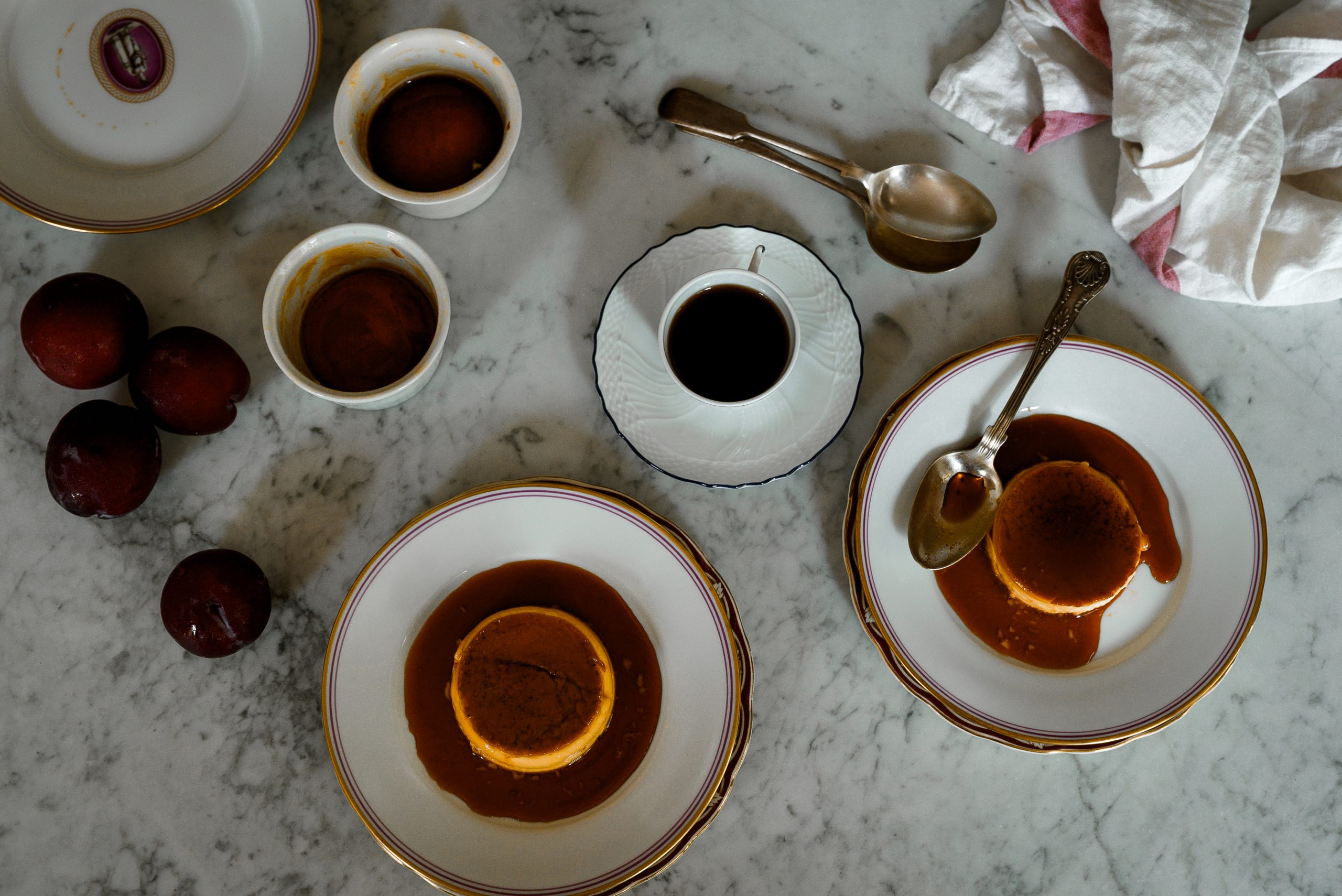
 Crème Caramel
Pudding is a funny subject in our household. When we dine out towards the end of the meal the Dégustateur tends to say: I can share a pudding but only if you want it. I would ask if he has any particular pudding in mind that he, too ,would like to try. Most often it’s me who makes the decision but very often he would guide me towards crème caramel. Soon after the pudding arrives so does my question: Can I have some ? …before it all disappears in front of my eyes.
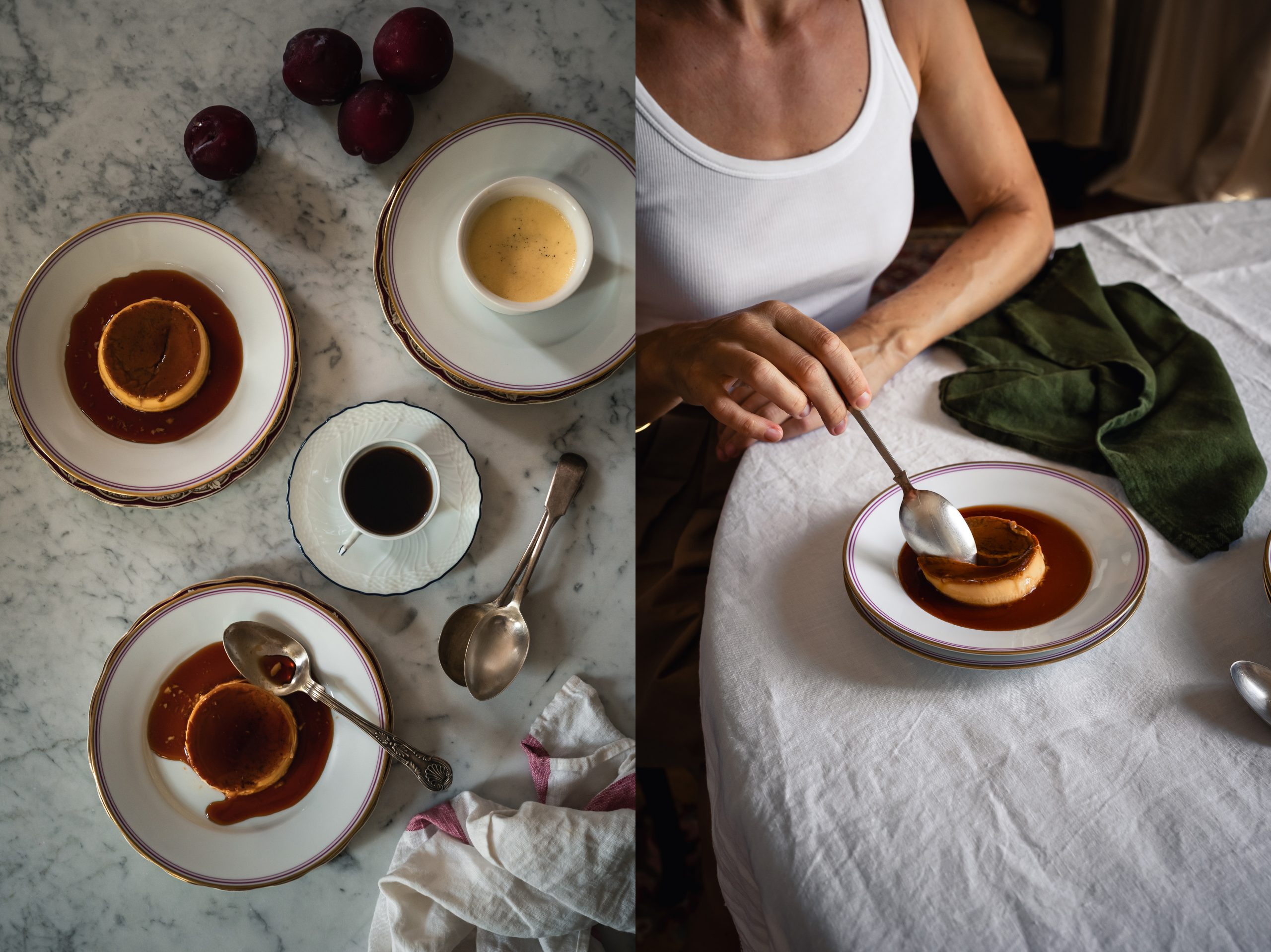
I’ve come quite late in my life to appreciate the contrast of the dark, almost burnt caramel coating of the possibly softest baked vanilla custard that you can imagine. To fully appreciate this unassuming pudding you have to try a really good one first, granted.
Otherwise, you can make it at home, as I do now (follow the recipe here); no arguing about the fair share of it, one pot each which disappears immediately.