Il Mercato

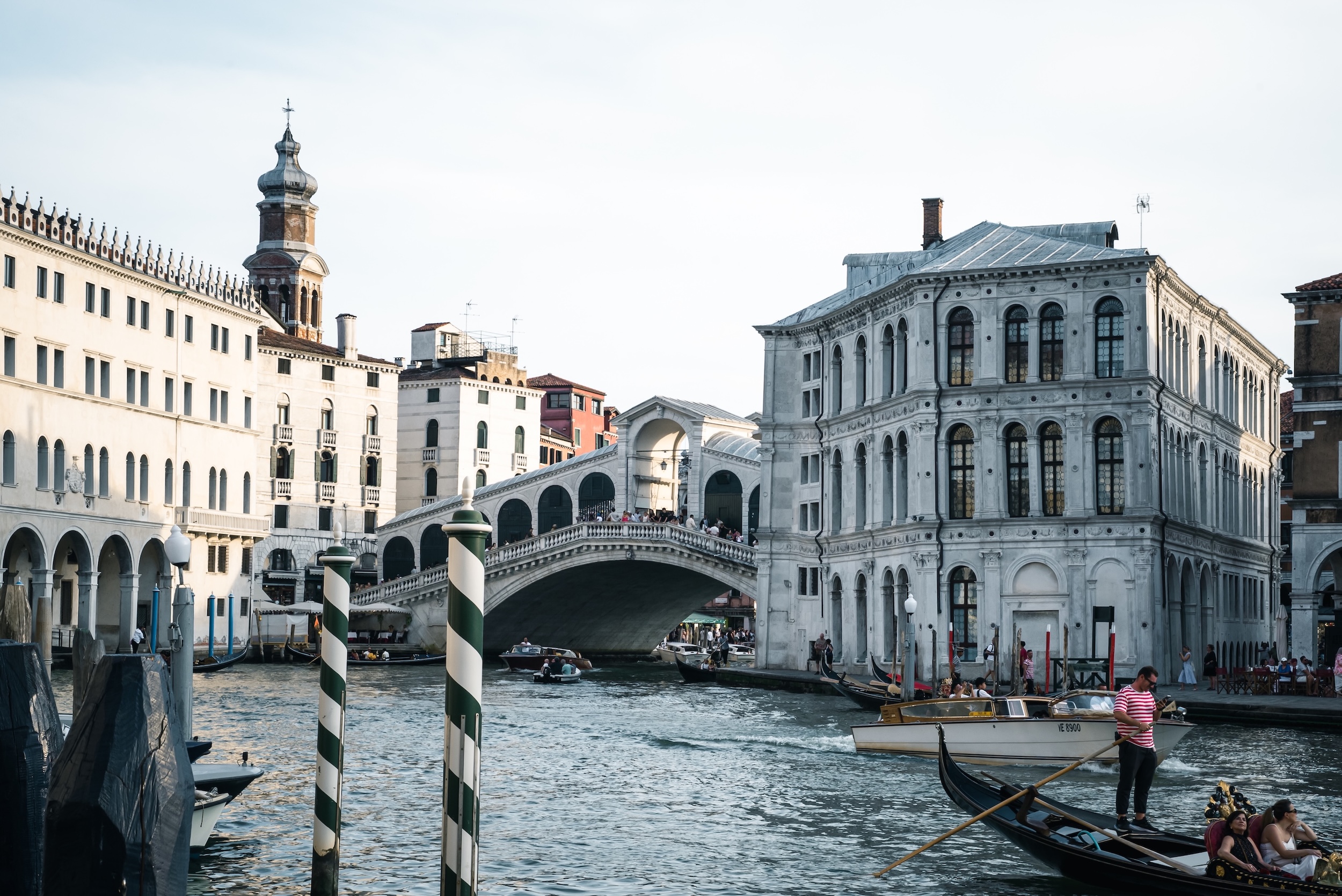
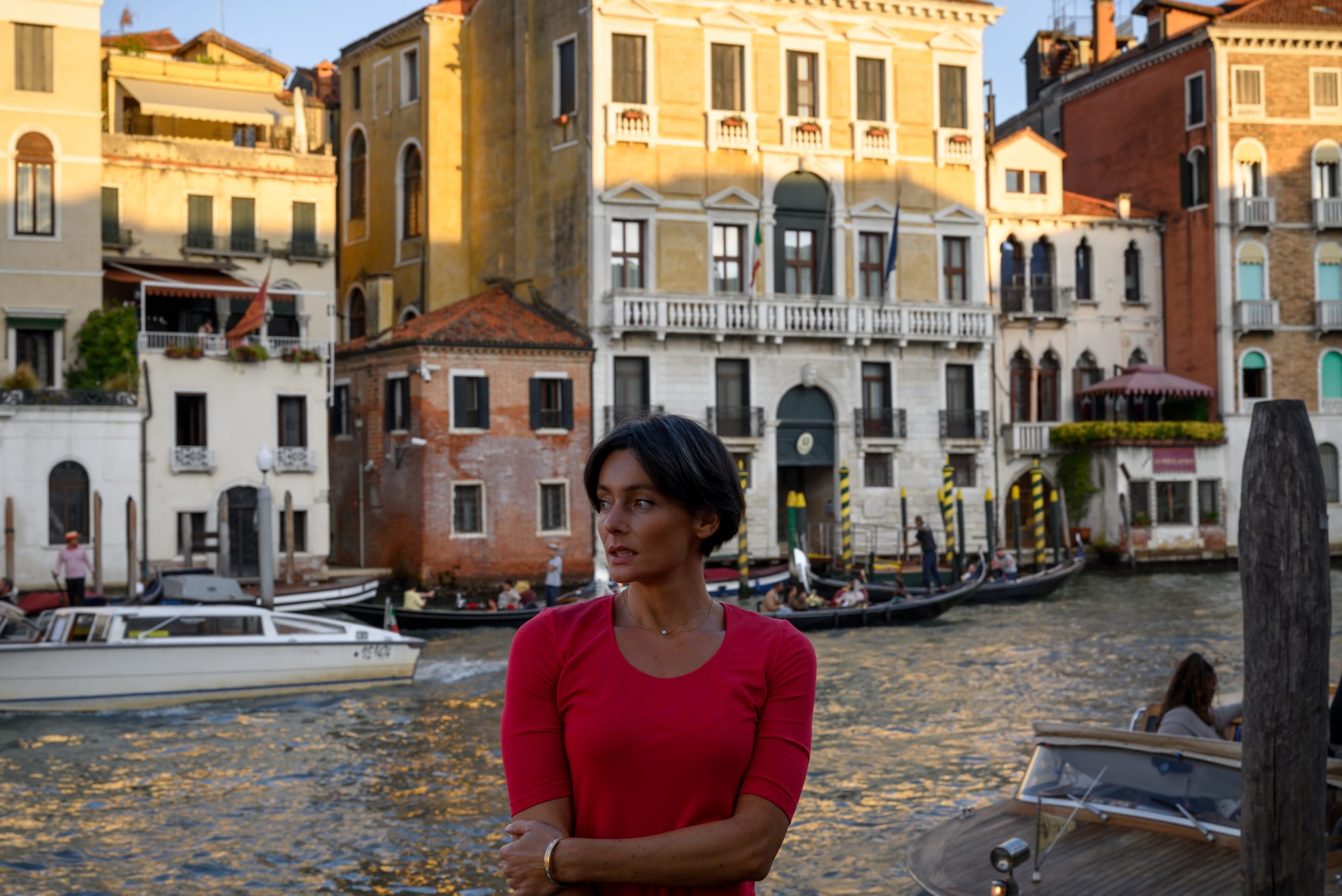
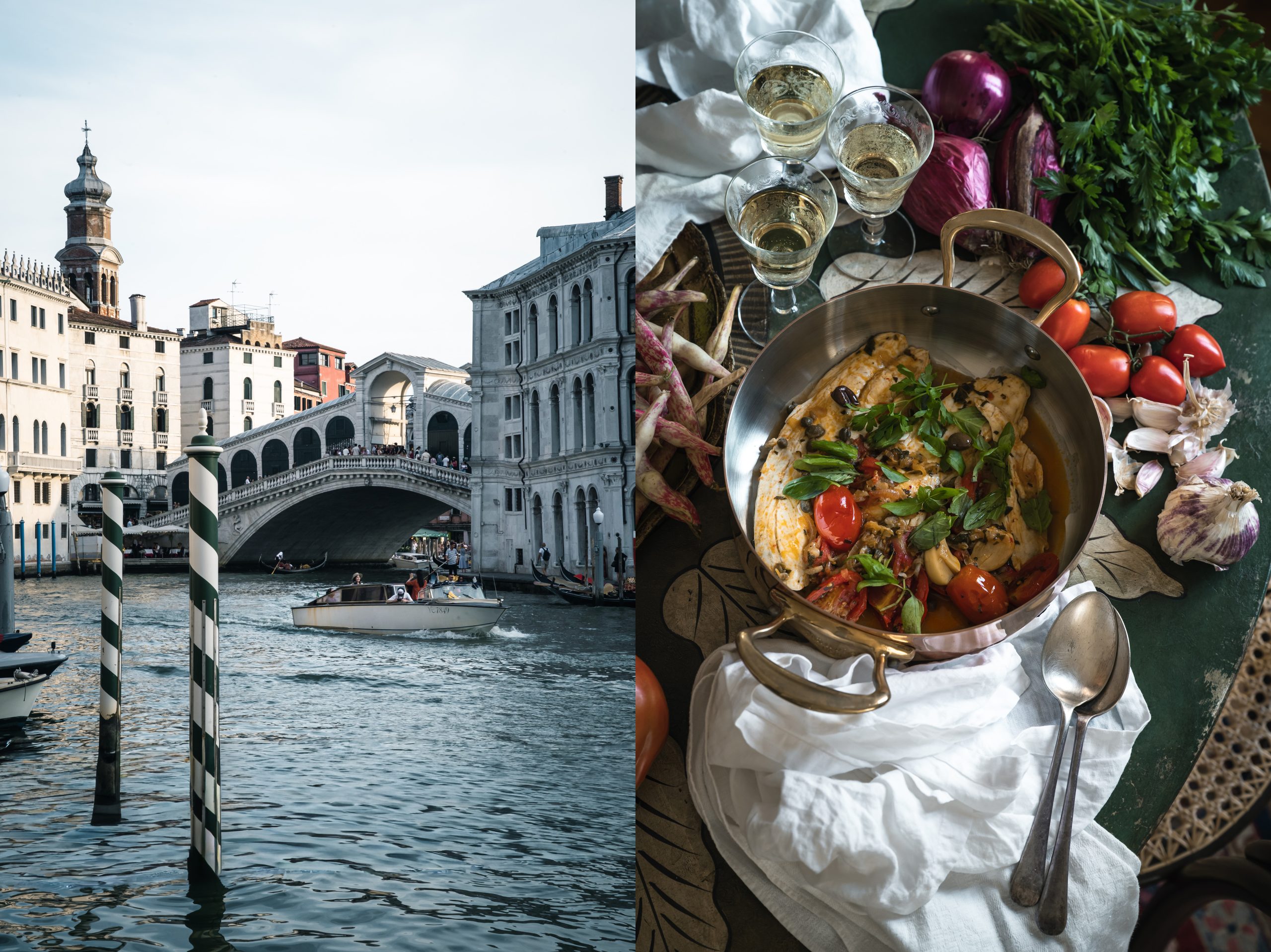
In the heart of Venice, in the shadows of the Rialto Bridge in the Sestiere of San Polo, you can enjoy the chorus of not only the most famous market in Venice, but one of the most iconic markets in Italy, Mercato di Rialto.
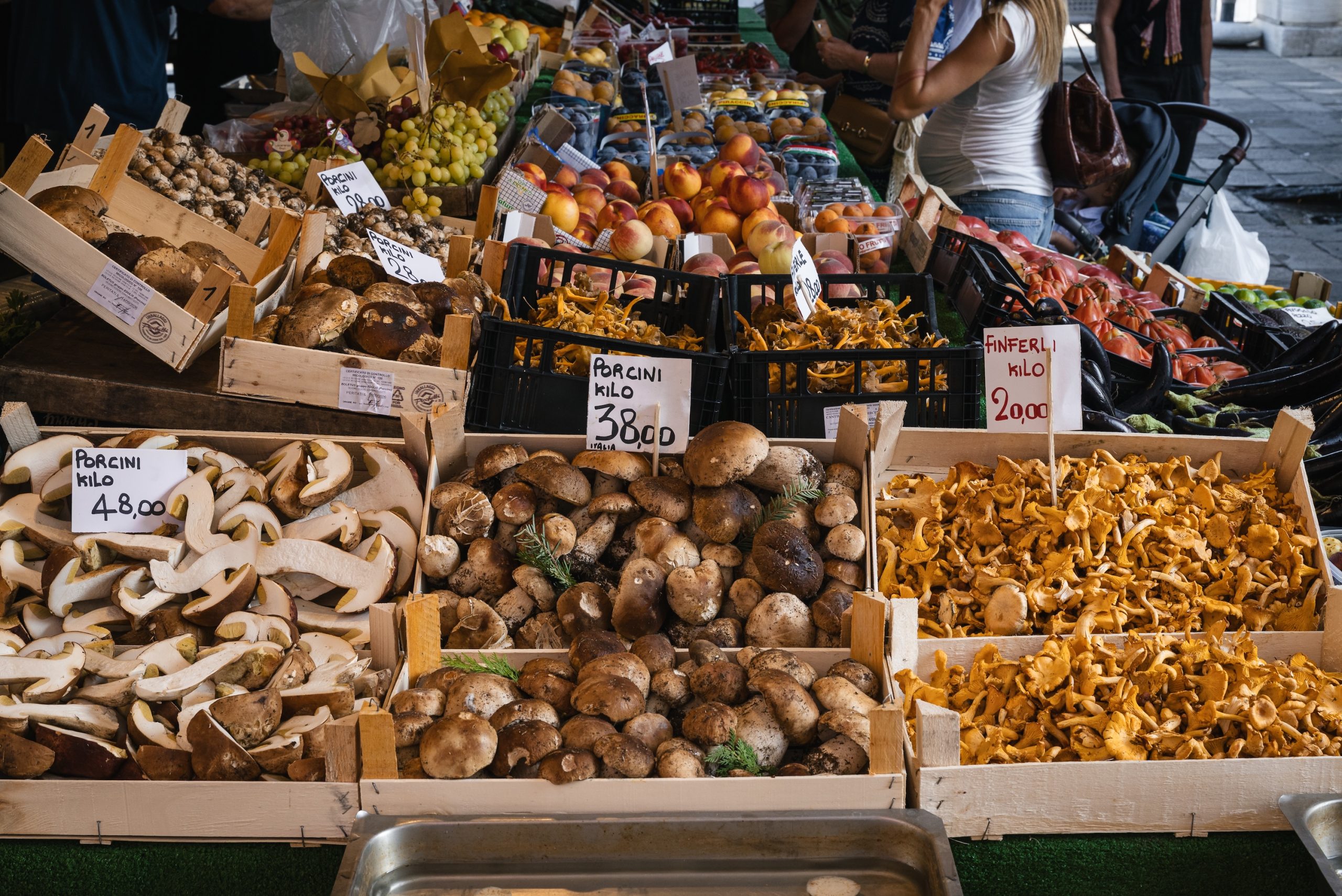
The market is primarily known as a fish market, but you can find pretty much everything here: fruit, vegetables, meat, wine, dairy products and spices. The hustling and bustling Rialto area is a vibrant and full of life market, a daily routine of the inhabitants in the most picturesque setting one could imagine. Even though it lies at the crossroads of the main tourist route towards San Marco, it’s a fully functioning market, deeply rooted in the Venetian heart.
Moreover, it’s a spellbinding meeting spot for a spritz, a glass of wine, good food and, of course, cichetti.
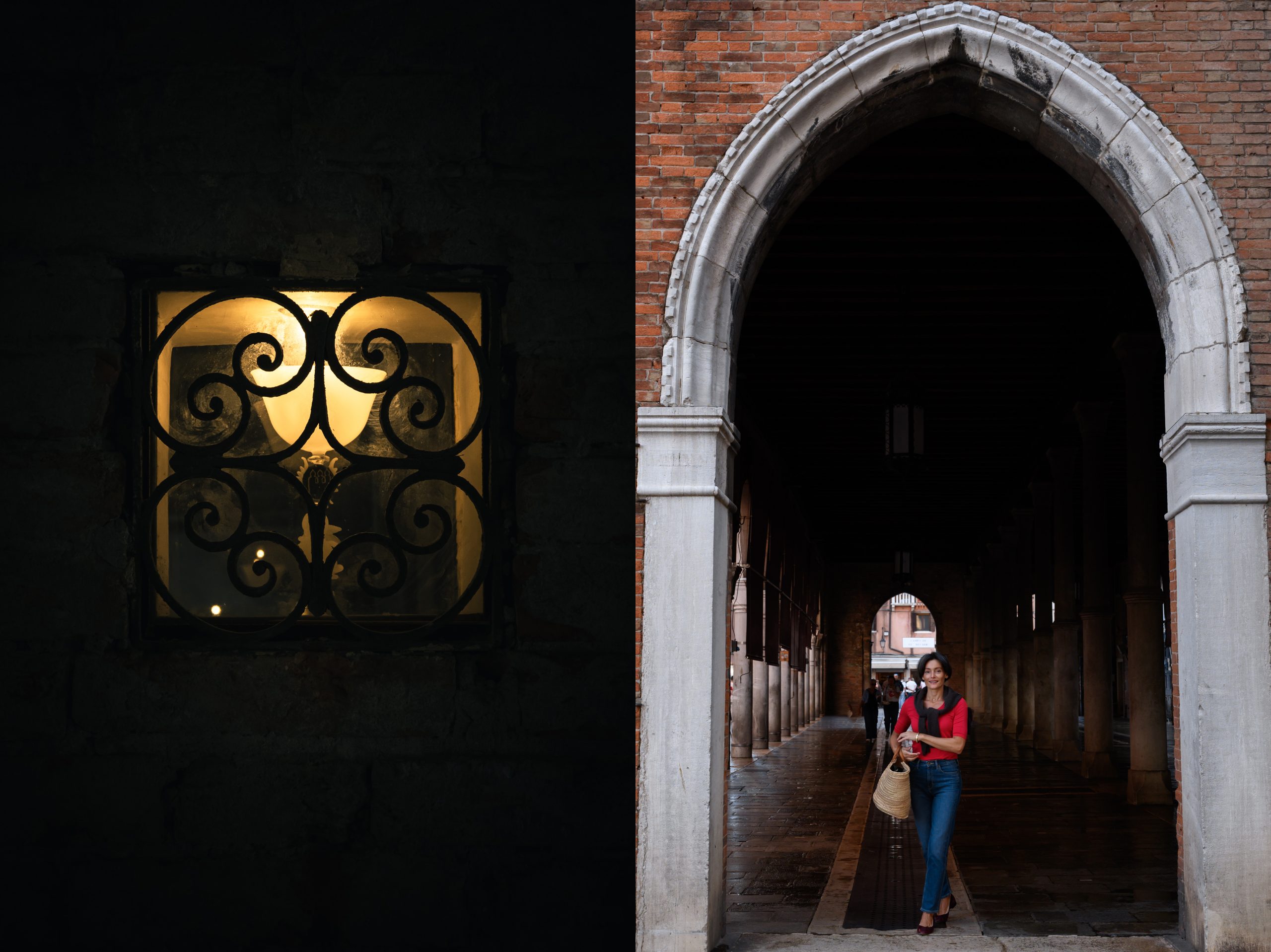
The name ”Rialto” derives from the Latin ”rivus praeltus”, that with time became ”rivus altus”, literally meaning ”deep canal” and also ”a very deep canal”.
Given the strategic position of the Rialto along the banks of the ”deep canal”, it gave the origins to the first settlements in Venice. It served as a shelter from a constant movement of water and flooding. It’s also here where you can find one of the oldest churches in Venice, Chiesa di San Giacometo being one of them.From the very beginnings of the settlement attempts were made made to build a bridge over the Canal Grande, but a wooden bridge was not laid until the XII century. Once the importance of the market grew, the bridge building engineering became more advanced, resulting in a bridge that could open itself, allowing the passage of larger carriers of goods. It was exactly at this moment in time when this bridge in question was called ”Ponte di Rialto”, for its close link and relationship with the market.
The wooden bridge however, was damaged and subsequently collapsed in 1444, when the Venetians gathered to assist the wedding ceremony of Marchese di Ferrara.
Only then a stoned bridge was planned. The beautiful structure and a symbol of Venice that we see and walk across today was built in 1591. Similarly, the Rialto Market has antique origins (it’s one thousand years old), but what appears in front of us right now is its more recent transformation.
In 810 the governing headquarters of Venice moved to the Rialto and during the centuries to follow the area grew in importance, becoming the real centre of the city. It’s where not only the administrative activities concentrated but also the commercial ones.
The granary of the city was situated in the vicinity of the Rialto, a food safety net for leaner periods when bread was scarce.
With the passage of time all manners of goods started to arrive to the Rialto Market, which is why it organised itself in sectors:
Erbaria – where fruit and vegetable stands concentrated
Naranseria – (slightly north) citrus fruit was sold
Beccaria – where meat was carved and sold
Pescaria – dedicated to fish and moved slightly further away due to the smell (birds were also sold there)
Casaria – where cheeses and pork fat could be purchased
La Ruga degli Oresi – where the goldsmiths run their trade
La Ruga degli Spezieri – dedicated to the stands selling spices and exotic textiles
All surrounded by alleyways dotted with shoemakers, carpenters, hat makers and many other artisan enterprises.
Banco Giro was a lending bank, but it was also a meeting point of the wealthy merchants and traders.
 Mercato di Rialto & Cantina do Mori
How do we see the Marcato di Rialto today?
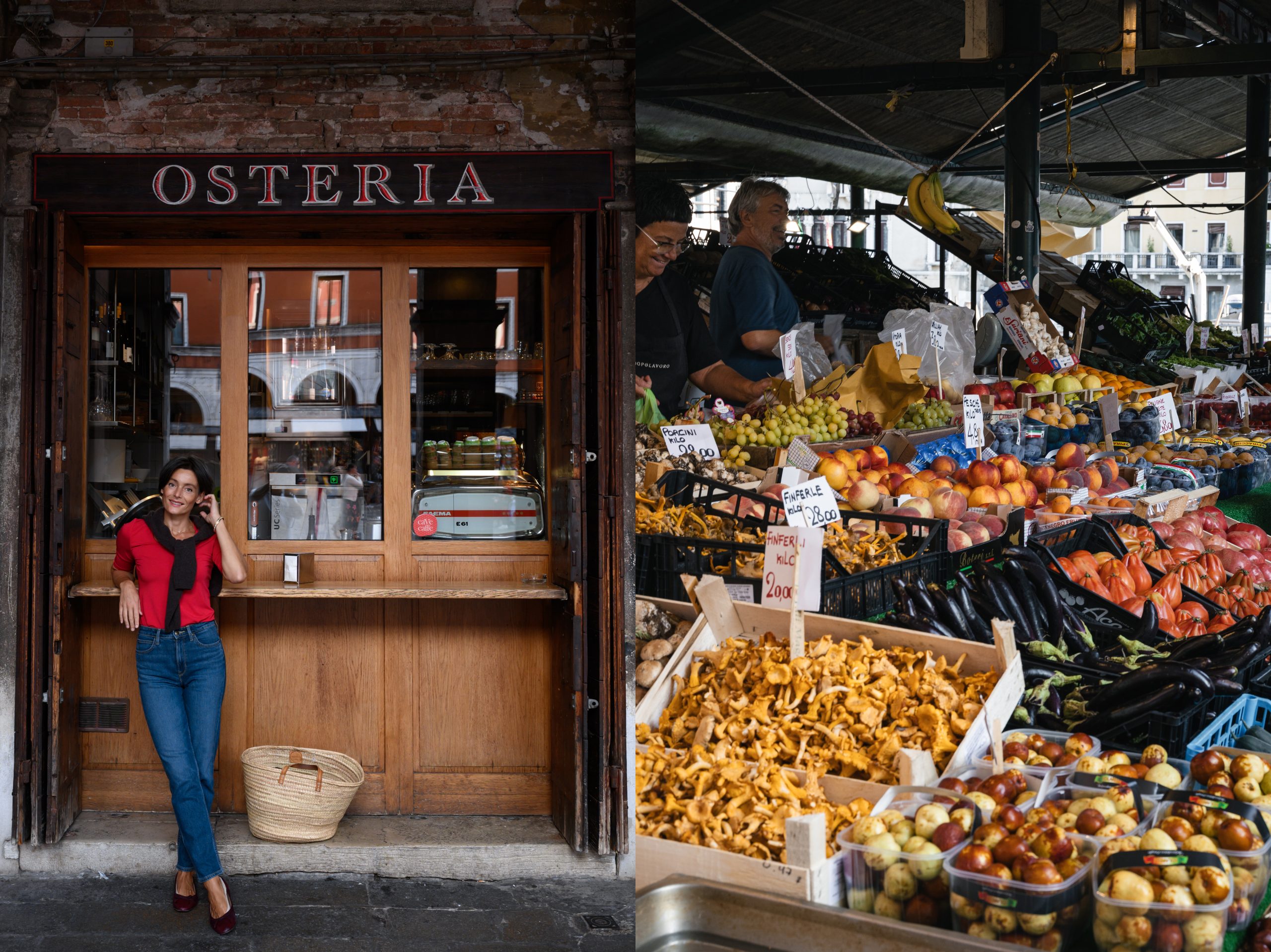
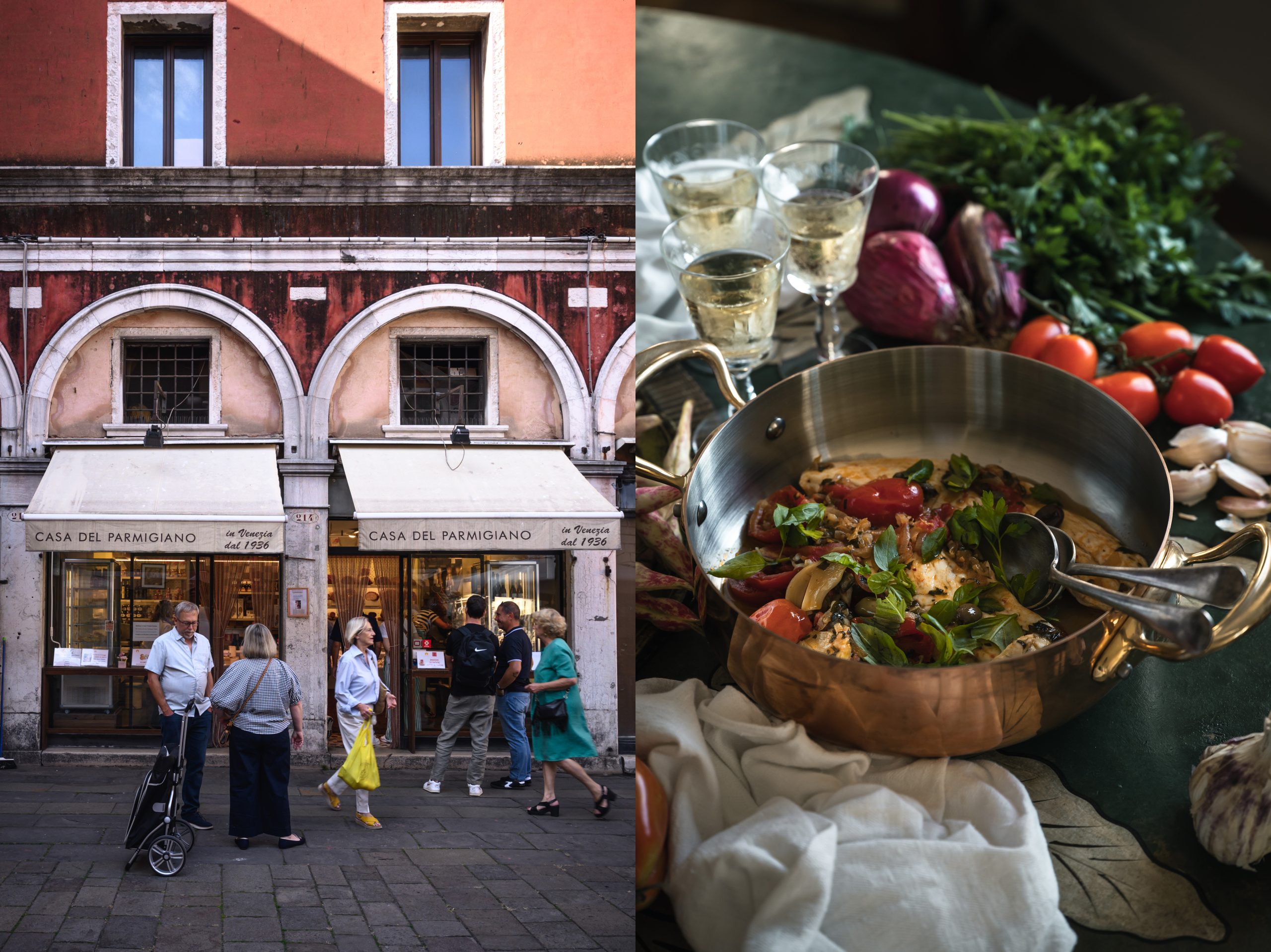
Strangely enough, l’Erbaria has been moved to Campo de la Pescaria and it stretches all the way up to Campo Cesare Battisti (or della Bella Vienna), and it’s where I often shop for cheese and charcuterie at Aliani Casa del Parmigiano.
The ”moving bancarellas”of the past were replaced with permanently framed and covered stands, in part loosing their charm to modern convenience.
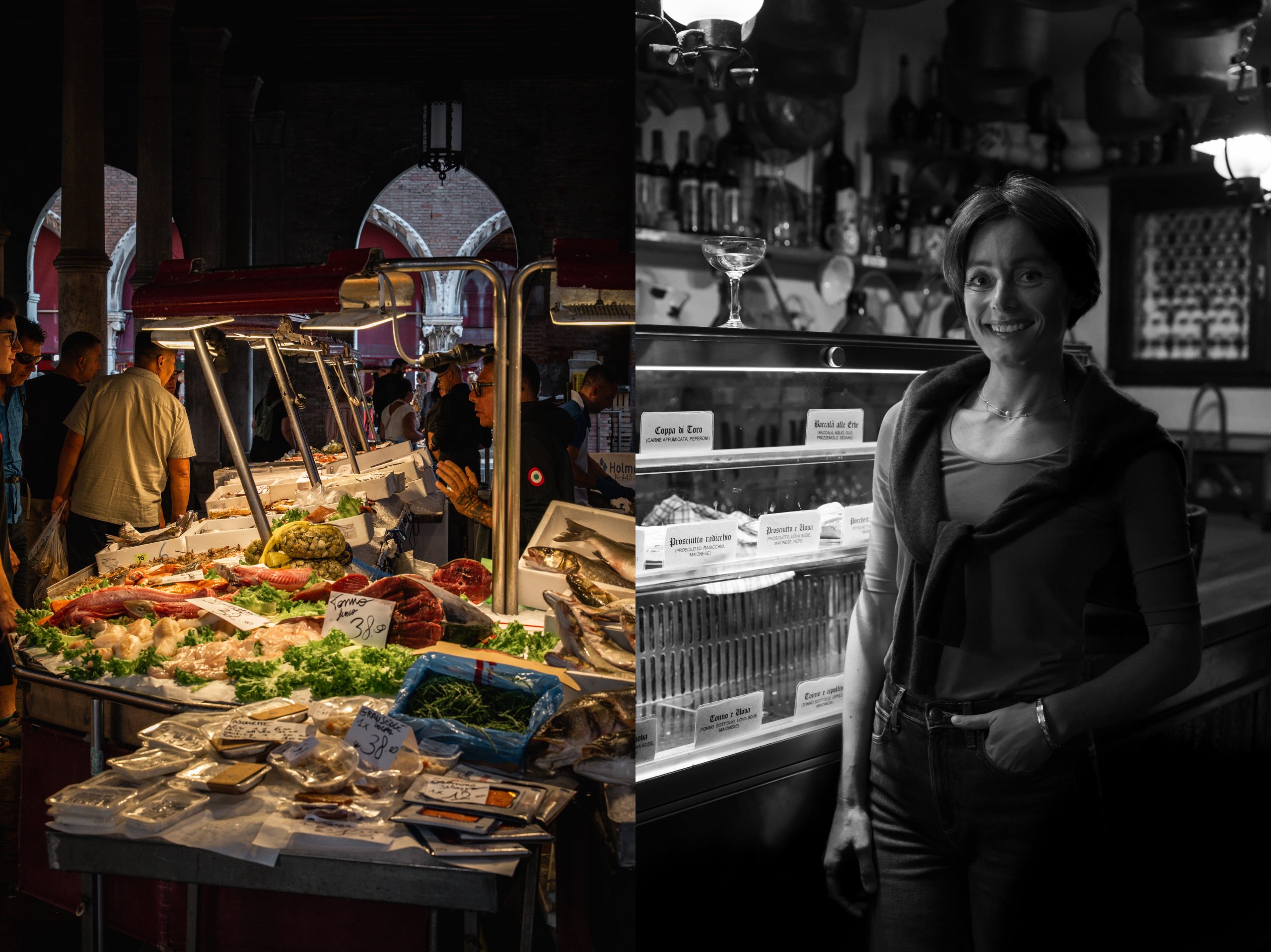
La Loggia della Pescaria di Rialto is the designated area for the famous fish market.
La Loggia, built in Neo-Gothic style, may appear antique at a first glance, but this Grand Canal facing building is of a more recent time -1900s.
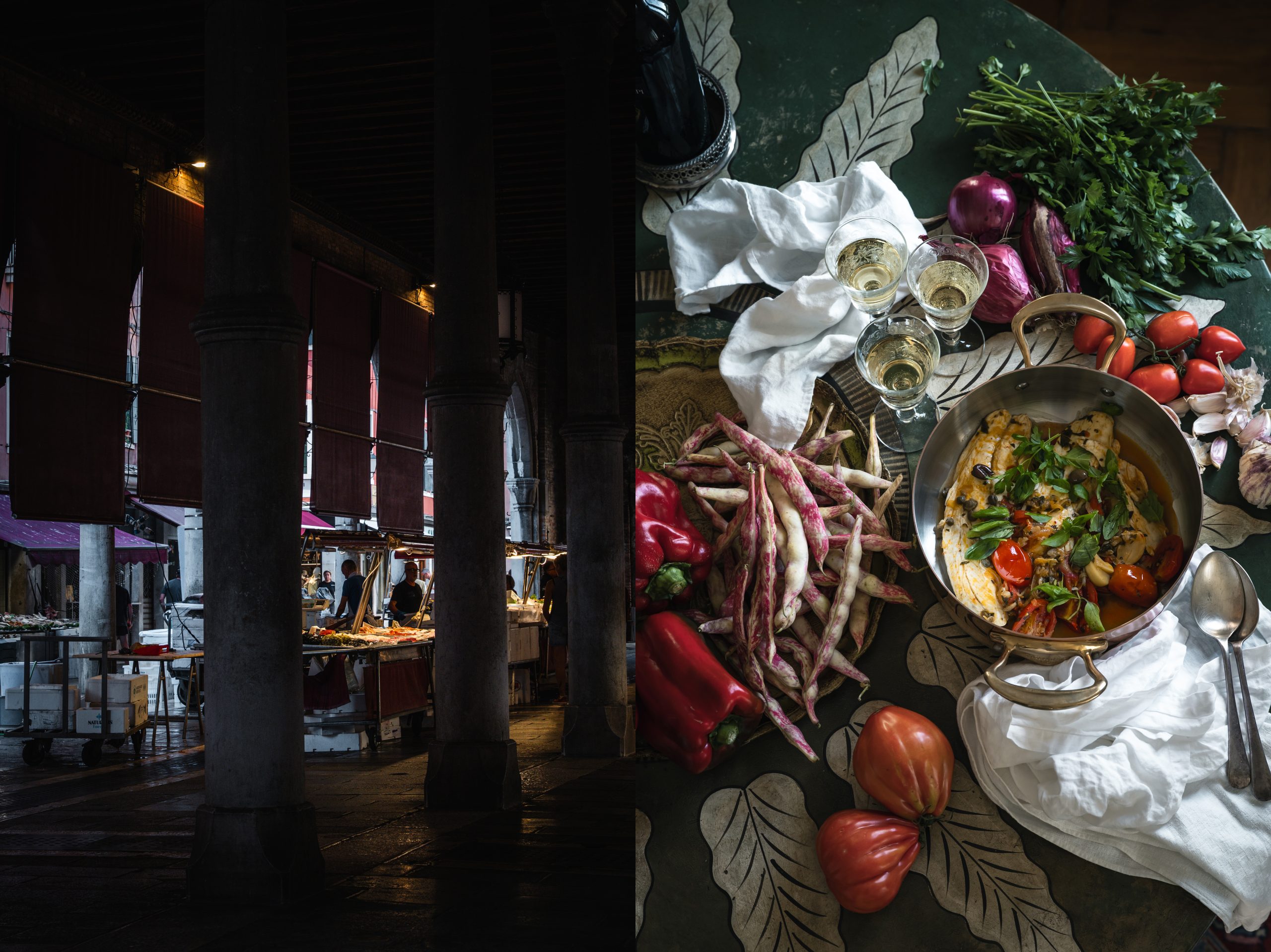
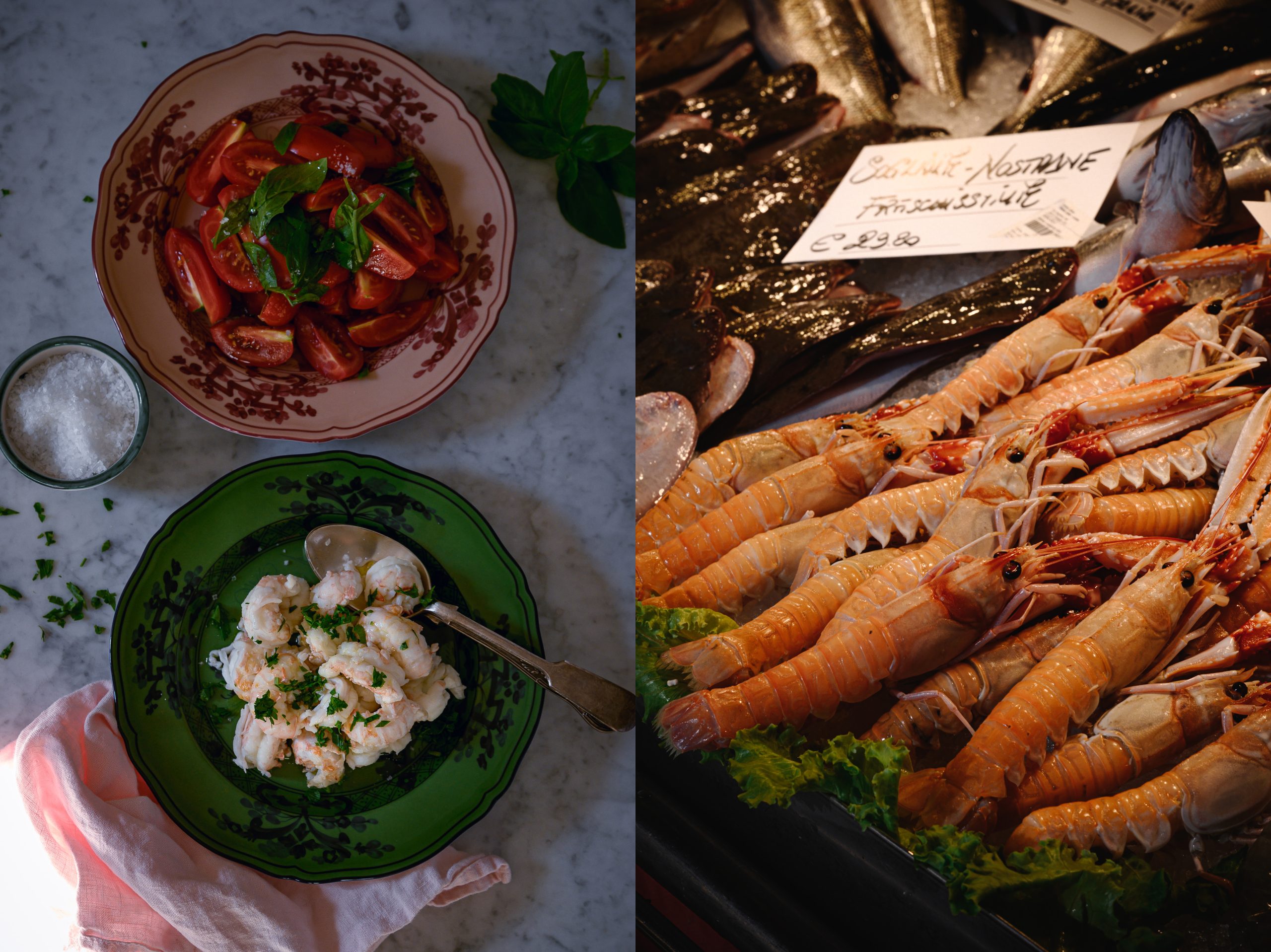
Without a shadow of a doubt it’s a particular gem for us to have, situated just next to the fruit and vegetable section, offering such a pleasing enjoyment to the eye and an incredible daily authentic choice of fresh, locally sourced (apart from a few exceptions) produce, reflecting the Venetian culinary traditions. All neatly displayed on mounds of ice. It’s so fresh that you can still see langoustines, crabs or lobsters waving they tails and snapping their claws. Eels, so traditional in the Venetian cooking, lesser known and rarely served in restaurants, tend to swim in large buckets.
For the best choice, inevitably, early morning is the best time to go. Most of the stands, including fruit and vegetable as well as the flower vendor, are gone by midday or soon after that. But when the clocks strike 12.00 pm it doesn’t necessarily mean the end of the lively atmosphere around the market, quite the opposite. It’s a perfect time to grab a bite to eat, and there are some fabulous choices around. Visit a few bacari, have a glass of prosecco and a couple of cichetti to snack on. Bacaro Aea Pescaria, Cantina Do Spade, All’Arco, Al Mercà and Cantina Do Mori, which I particularly enjoy in the afternoons for its cosy dark and bygone era atmosphere as well as a particular choice of cichetti, are among the best known and visited.
Moving towards Campo San Giacomo and along the canal is where you can sit down for a proper lunch or dinner, literally spending hours watching the world go by.
Either way, not to be missed.
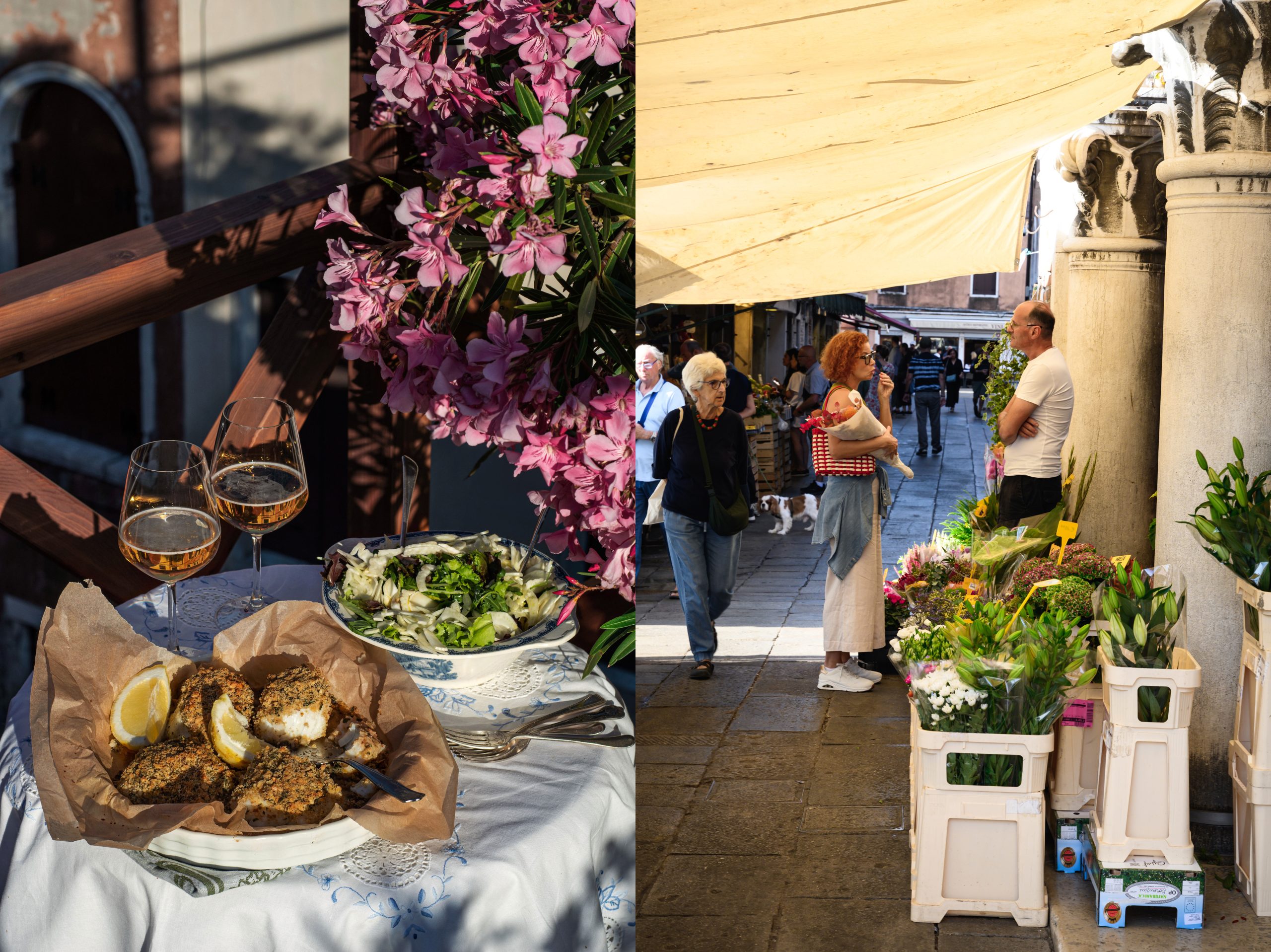 Baked cod in a Herb Crust
 Sea Bass in Crazy Water – My Way
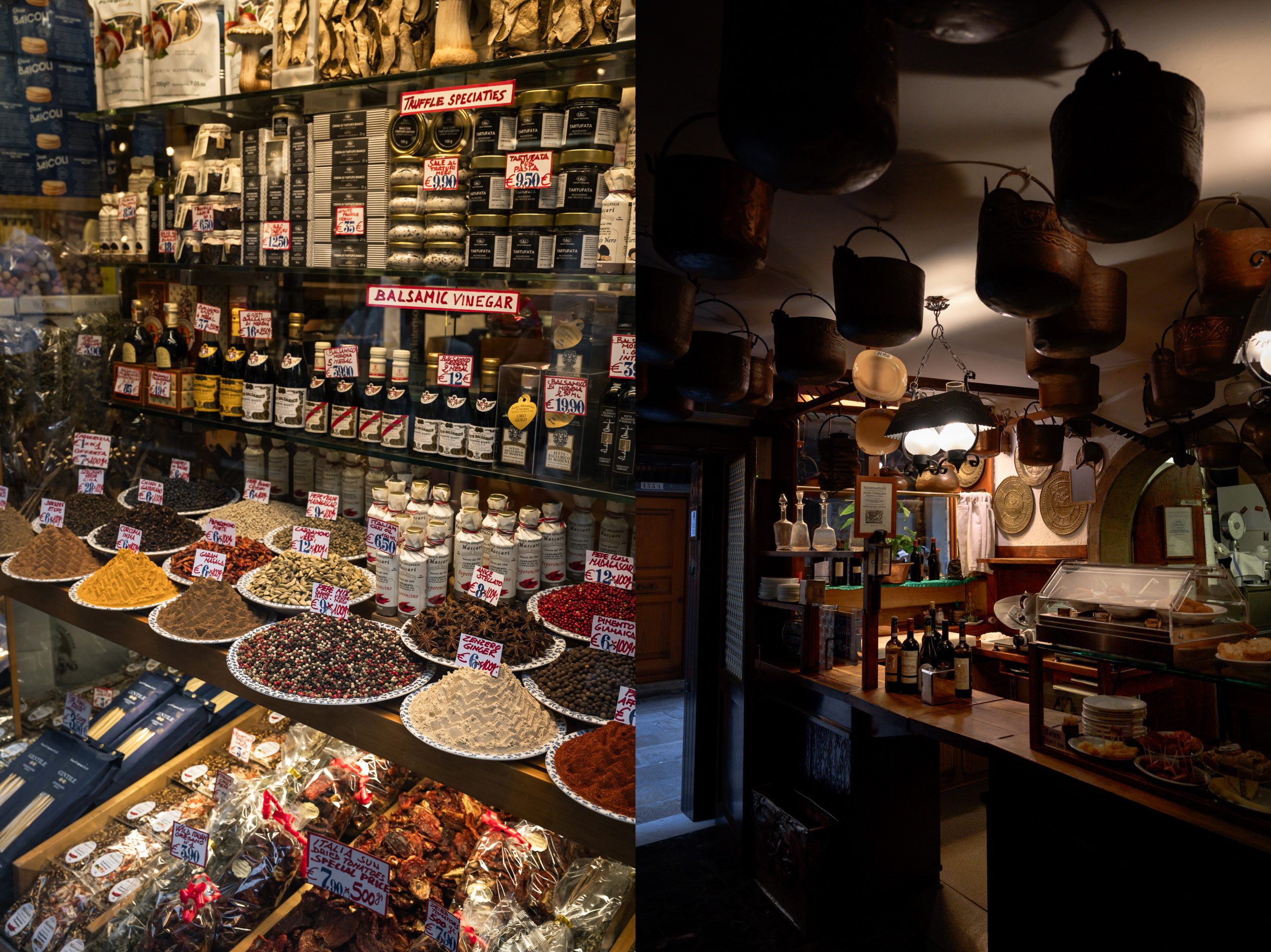
In the morning, before heading back home with our bags filled with the fresh market produce, we often walk into Drogheria Mascari spice shop, where I just love watching cinnamon sticks, vanilla pods, almonds, walnuts, pine nuts and spices being weighted to the gram on old fashioned scales, and then carefully wrapped in a printed paper. It’s where I too get my coffee beans from, ground on the spot for a moka pot, and occasionally a bottle or two of wine, of which a carefully displayed selection can be found right behind the counter.
As we amble back through the narrow alleyways I’d often recall my very favourite episode of Rick Stein’s food program ”From Venice to Istanbul”. Not only Rick Stein is a household name in the UK, known for his numerous seafood restaurants, but he is a very well mannered, knowledgeable and ever so curious and just wonderful to watch presenter. The program was aired before we moved to Italy about a decade ago, and I still remember cooking his utterly delicious gnocchi with crab meat and spices; unfortunately, any trace of the spice route is so hard to find in the Venetian eateries nowadays.
What he says about the Rialto Fish Market is: ”It’s got the freshest fish I’ve ever seen, and for a fish lover it’s a sheer delight. But now the developers want to get their hands on it because they say the local population is dwindling and this prime piece of property can do its job in a much cheaper area out of the city. Hence the defiant flags with a Venetian lion saying: Rialto no se toca (Rialto, do not touch) ”, and I couldn’t agree more.
Tuesdays and Thursdays had always been the Rialto Market days for us. Now, it could also be Mondays, Wednesdays, Thursdays and so forth, except for Sundays, when everything is closed for the trade and literally nothing to buy which is food related.
In short, not much has changed since our previous life in Venice. We just make our way to the Pescaria more frequently and buy less, which gives me more room for spontaneity, trying out new recipes and ideas that I tend to come across whilst sipping my morning coffee, literally minutes before leaving the house for the market. We keep repeating to ourselves that we have to take advantage of this fresh and varied produce that we have here. The seafood prices are also more accessible compared to other places that we had lived in before, which has helped me to gain a greater confidence in cooking fish and seafood. I just love it now.
Some of the seafood based dishes that have firmly ensconced themselves into our ”Venetian repertoire” are:
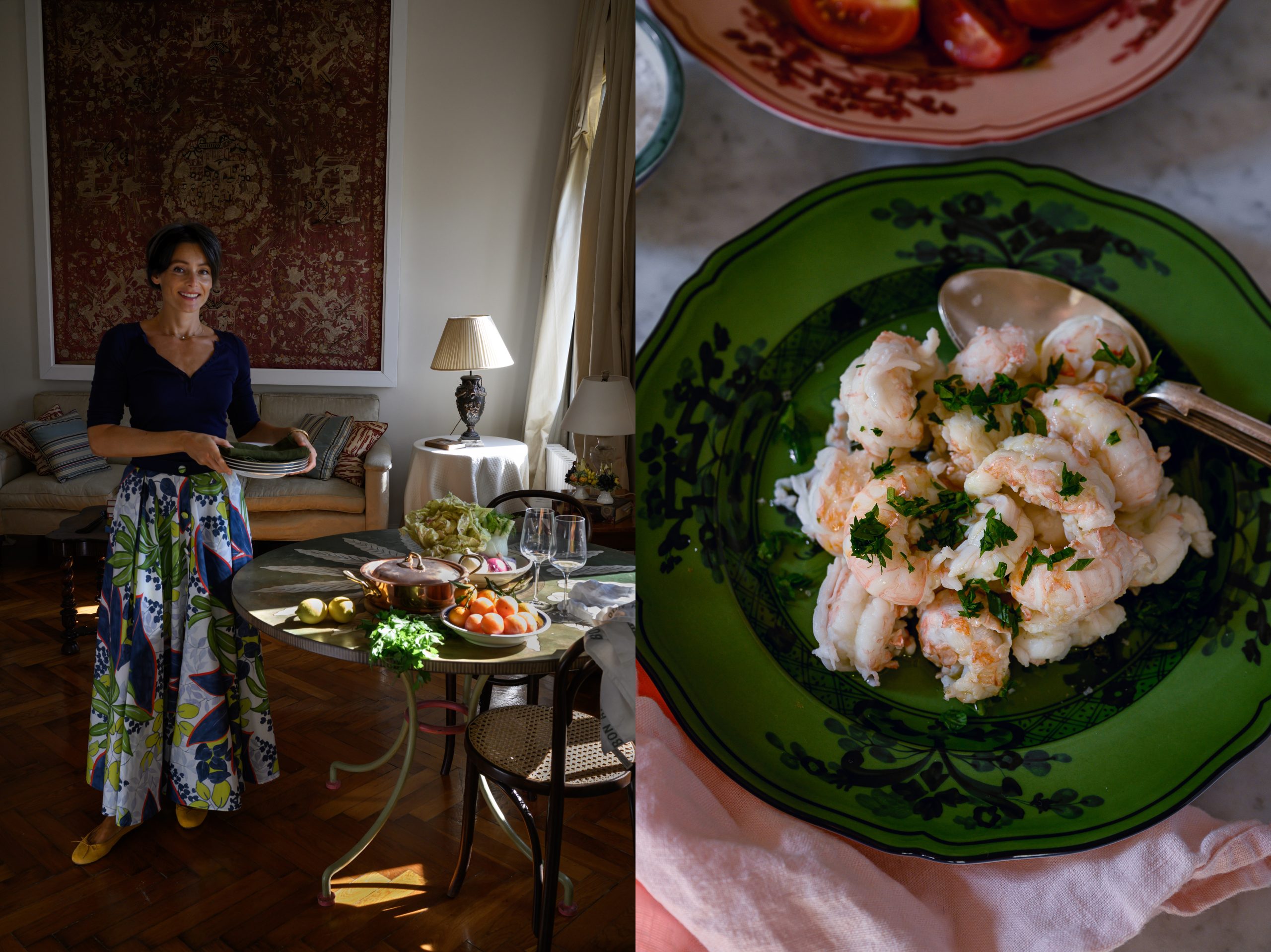
1. Langoustines, peeled and poached for no more than two minutes (when small) in lightly salted water. The shells make for an excellent stock, which I freeze and use when needed.
I spoon out the cooked langoustines with a slotted spoon, leave them in a colander for a minute or so (you could plunge them in iced water if you wish or run some cold water over – but literally for a few seconds) and transfer them onto a serving plate. They only need a drizzle of olive oil, a pinch of flaky sea salt and a few drops of lemon, some chopped parsley to decorate.
Serve immediately with a lovely fresh salad on the side.
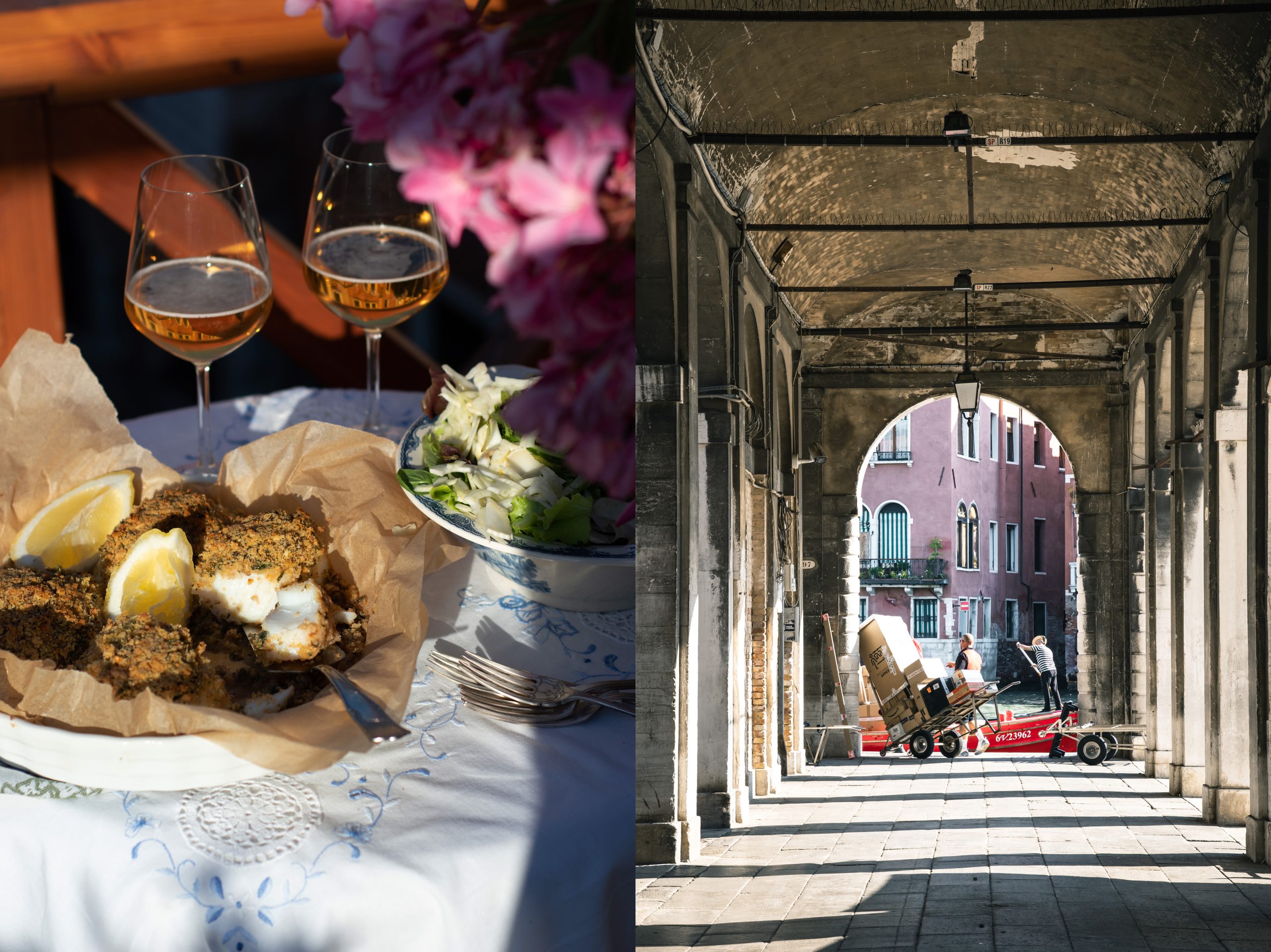
2. Baked Cod in a Herb Crust. You will need thick cod fillets cut into smaller pieces, that in turn will be coated in a chopped walnut, caper, basil, tarragon and mint mixture. I like to add some chilli too. Some breadcrumbs and olive oil for binding. All you need to do is to pop the prepared cod segments into the preheated oven. Whilst the fish is baking and the crust turning crunchy and golden in colour, prepare your side dish: a fresh salad, cooked green beans, thinly sliced fennel or grilled courgettes.
3. Branzino in Acqua Pazza a Modo Mio (Sea Bass Fillets in Crazy Water – My Way). It’s a slightly enriched version of the fish cooked in ”acqua pazza”. When the days turn colder and the simplicity of the ingredients has faded away along with hot bright summer days, I need some complexity on my plate. This is a one pot dish where the ingredients are added gradually allowing the flavours to build up slowly, in which the fish fillets will cook until just tender.
You will need thinly sliced red onion, garlic, some capers, good olives, the best small tomatoes you can find at the moment and dry white wine. You’ll most likely already have all the necessary ingredients in your kitchen. What’s left is to decide on which day to buy the fish.
Ask your fish monger to fillet the fish for you taking the skin off. At home, after you’ve washed the fillets under cold water and are ready to cook the meal, run your fingers along the flesh, simply double checking for any bones left and avoiding unpleasant surprises.
Buon appetito xx